A house fire can leave families facing urgent decisions while they are still processing what happened. The best first step is to slow down, protect everyone’s safety, and handle recovery one task at a time. From the first call to the insurance company through the final repair, a written plan can reduce stress and prevent costly mistakes.
Even a small fire can leave behind smoke, soot, water, and hidden structural damage. Homeowners who need help with serious cleanup may consider professional fire damage restoration in Central Massachusetts after the property has been cleared for entry. The goal is not to rush. It is to make safe choices that protect people, records, and the home.
What To Do In The First Few Hours
Confirm that everyone and every pet is safe, then follow the instructions from the fire department and local officials. Do not go back inside for valuables, documents, or clothing. Call your insurance company when you can, and ask about emergency lodging, food, clothing, and other immediate needs. Families in the MetroWest area may also look for local support, including fire damage restoration in Natick, when smoke, soot, or firefighting water affects more than one room. Keep your focus on safety before cleanup or repairs. The U.S. Fire Administration offers an after-fire recovery guide with useful information about the first day, insurance, records, and salvage.
When Is It Safe To Re-Enter The Property
A fire scene may remain dangerous after the flames have died down. Floors, ceilings, and stairs can be weak. Broken glass, exposed wiring, gas leaks, hot debris, and contaminated water may also be present. Wait for approval from the fire department or another qualified authority before entering.
- Keep children and pets away from damaged areas.
- Do not restore power, gas, or water without proper approval.
- Leave at once if you notice smoke, heat, strong odors, or shifting materials.
- Remember that walls, insulation, and ducts may hold hidden damage.
How To Secure The Home From More Damage
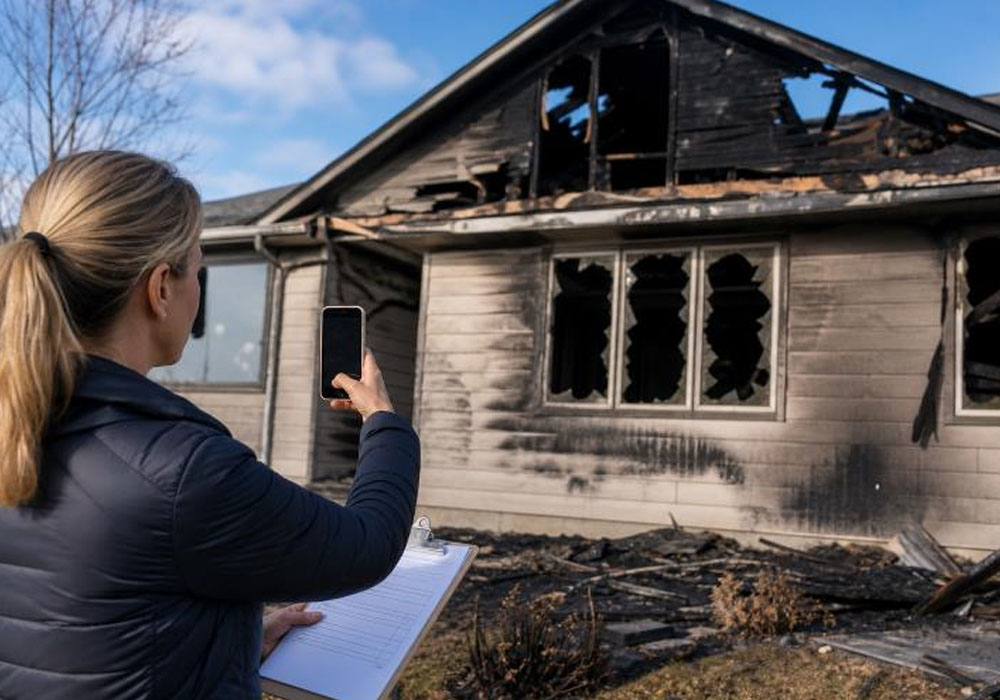
Once entry is approved, protect the home from rain, wind, theft, and further moisture. Temporary roof covers, boarded windows, and secured doors can limit added loss. Take photos of damaged areas before covering them when it is safe to do so. Do not remove evidence or interfere with any fire investigation. Save receipts for emergency supplies and temporary repairs.
How To Document Fire, Smoke, And Water Damage
Create a simple recovery file before major cleaning begins. Take wide shots of every room, then close-ups of soot, charred materials, water lines, damaged floors, and personal items. Make a room-by-room list, including less obvious belongings such as cookware, tools, clothing, garage items, and stored papers.
- Record the date and location of photos.
- Gather receipts, warranties, appraisals, and older photos.
- Keep estimates, invoices, hotel bills, and meal receipts together.
- Write down every insurance call, including names and dates.
What To Know About Insurance Claims
Coverage depends on your policy, deductible, limits, exclusions, and the cause of the fire. Report the loss promptly and ask what emergency work needs approval. Request written instructions before throwing away damaged materials or starting major repairs. Read estimates carefully, ask questions about unclear charges, and avoid signing contracts you do not understand. For a serious dispute, seek advice from a licensed insurance professional or qualified attorney.
Why Smoke And Water Damage Need Fast Attention
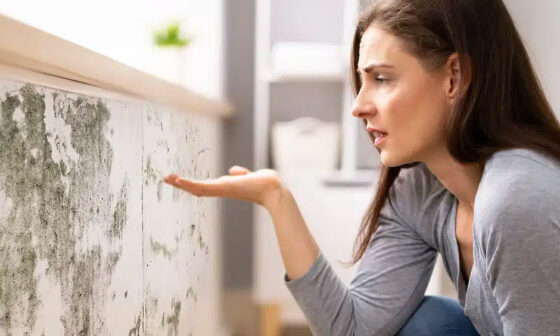
Fire damage goes far beyond burned surfaces. Smoke can travel through rooms and heating or cooling systems. Soot can stain finishes and harm some metals. Firefighting water can soak drywall, flooring, insulation, and framing, creating conditions for swelling, staining, and mold growth. Heat can also affect wiring, appliances, and windows without obvious signs. Widespread residue, odor, or moisture often requires specialized drying and cleaning.
How To Handle Damaged Belongings
Sort items into four groups: keep, clean, inspect, and discard. Photograph everything before moving or disposing of it. Electronics, appliances, furniture, documents, and structural materials may need inspection before reuse. Food, medicine, cosmetics, children’s items, and pet supplies need extra care if they were exposed to heat, smoke, soot, or dirty water.
DIY Cleanup: What Homeowners Can and Cannot Do
Tasks That May Be Reasonable After Clearance
- Removing undamaged belongings from safe rooms.
- Organizing paperwork and creating an inventory.
- Wiping light residue from small, non-porous items.
Tasks That Often Need Professional Help
- Heavy soot removal and smoke odor treatment.
- Drying wall cavities, insulation, subfloors, or framing.
- Cleaning smoke-affected HVAC systems.
- Structural repairs, electrical work, or contaminated water cleanup.
Temporary Housing, Pets, And Daily Needs
Recovery affects daily life as much as the building itself. Keep identification, prescriptions, chargers, school materials, and essential clothing in one secure place. Ask the insurer about approved lodging and related costs. Arrange safe care for pets away from debris and smoke. The American Red Cross home fire resources can also help households find practical support after a fire.
Planning Repairs And Rebuilding
Rebuilding works best in a clear order: complete safety checks, finish documentation, review insurance decisions, confirm permits, compare estimates, and schedule inspections. A lightly damaged room may need cleaning, painting, and minor repairs. A heavily damaged structure may require permits, engineers, electricians, and plumbers, and may entail a longer timeline. Keep copies of all plans, approvals, invoices, and inspection records.
Common Mistakes To Avoid
- Entering before officials say it is safe.
- Throwing away items before documenting them.
- Using damaged electrical devices.
- Ignoring smoke odors in rooms that look clean.
- Failing to save receipts and claim records.
- Trying to manage major structural or moisture issues alone.
A Practical Path Forward
After a house fire, safety comes first, documentation comes next, and cleanup should follow a careful plan. Focus on three priorities: protect people, prevent additional damage, and keep reliable records. Each completed step moves the household closer to a safe, stable home and a more manageable recovery.