Key Takeaways
- The right center stone is the one that suits the wearer’s taste, daily routine, and complete-ring budget.
- Compare millimeter measurements, cut, lighting performance, and setting style, not carat weight alone.
- Durability includes the stone, the setting construction, and a realistic care routine.
- Clear product disclosures, reports, and return policies are essential before ordering.
Choosing an engagement ring can feel overwhelming because several options may look beautiful in a product photo while offering very different experiences in daily life. A thoughtful lab diamond vs moissanite comparison is a useful place to start, but the best decision requires looking beyond a single material, price, or sparkle pattern. Use this decision matrix to focus on what will matter after the proposal: how the ring looks on the hand, how it fits within budget, whether it suits an active lifestyle, and how easily its details can be verified. There is no universal winner. There is only the option that feels right for its wearer.
Why a Decision Matrix Helps
Many buyers begin with carat weight or a headline price, then try to make every other detail fit around that first choice. A better approach is to identify priorities before shopping. Rank visual style, budget, face-up size, durability, care needs, documentation, and personal meaning. This makes it easier to reject options that are impressive on paper but not a good fit in real life.
Start With the Look, Not the Label
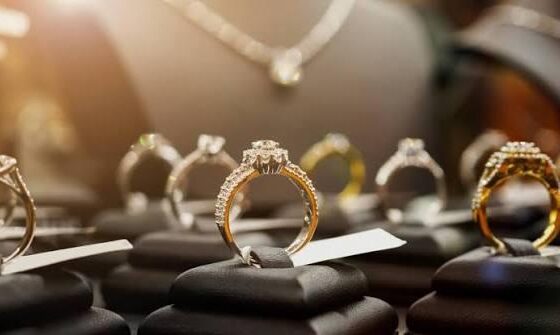
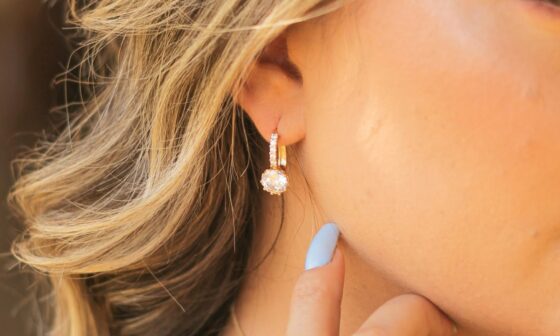
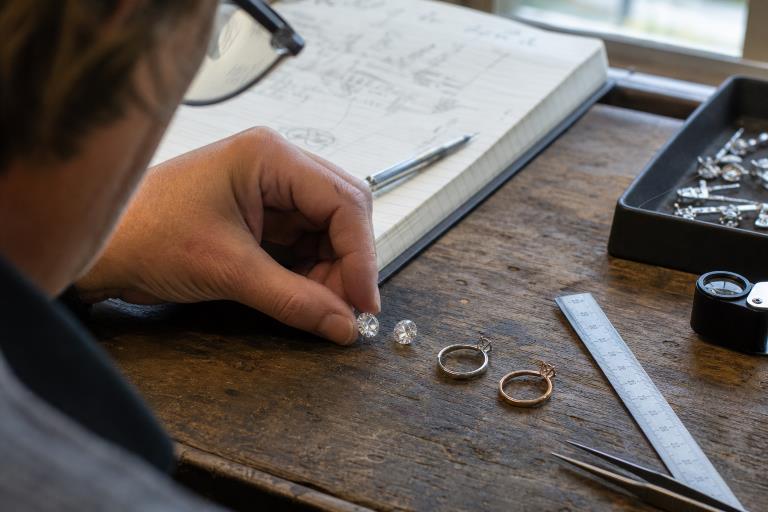
Not all bright stones create the same visual effect. Some produce crisp white brilliance, some show more colorful flashes, and others have a softer, glassier shimmer. Cut quality, shape, proportions, and lighting can dramatically change a stone’s appearance, even within the same category. View likely choices in direct sun, cloudy daylight, ordinary indoor lighting, and lower light. Online images can be edited or captured under jewelry-store lighting, so request a short video of the actual stone moving under multiple light sources. Notice whether the sparkle still appeals to you when the stone is not perfectly posed.
Compare Size in Millimeters
Carat weight measures mass, not the area visible from above. Ask for the stone’s exact length, width, and depth in millimeters before comparing prices. An oval, pear, marquise, or emerald-cut stone may appear larger across the finger than a round stone of similar weight. Setting design also affects perceived size. A halo can add visual width, while a bezel can create a cleaner outline and offer extra edge protection. Hidden halos add detail from the side without changing the top view as much. Compare complete rings, not loose stones viewed in isolation.
Build a Realistic Budget
- Set a comfortable total budget for the finished ring.
- Reserve funds for the setting, metal, sales tax, shipping, resizing, insurance, and future maintenance.
- Decide which feature is worth paying more for, such as a larger face-up look, a particular shape, or stronger documentation.
- Do not stretch spending for a grade or feature that the wearer is unlikely to notice.
A lower center stone price does not necessarily mean a lower overall value. A secure, well-made setting and a return policy that gives buyers time to inspect the ring can matter far more than a small difference in the listed specifications.
Check Durability for Daily Wear
Daily wear involves more than hardness. Consider resistance to scratching, the risk of chipping from impact, and how securely the stone is held. Even a highly durable stone can be damaged if it catches on a hard surface or sits in worn prongs. Hands-on work, gym sessions, gardening, childcare, and frequent travel all call for practical setting choices. Lower-profile designs, protective bezels, and sturdy prongs may be more suitable than delicate, elevated settings. Schedule periodic professional inspections and remove the ring during heavy lifting, when using cleaning chemicals, and during activities where it could take a direct hit.
Review Grading and Identification Documents
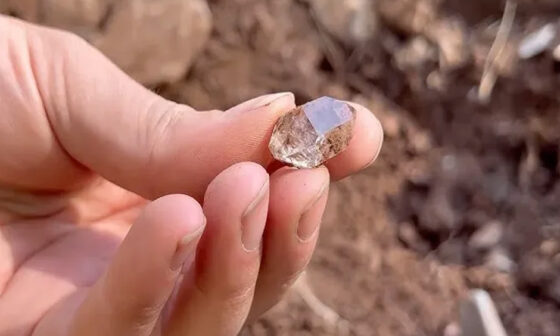
A report can help confirm a diamond’s measurements, weight, color, clarity, cut information, and identity. Check that the report number and measurements match the stone being sold. For laboratory-grown diamonds, also review any stated post-growth treatment information. The Gemological Institute of America’s guide to simulants, moissanite, and laboratory-grown diamonds explains why these materials should be clearly identified rather than treated as interchangeable. Different gemstones may use different reporting systems, so ask what documentation is available and what it actually verifies. Keep copies of the receipt, report, appraisal, warranty details, and product description for insurance and future service.
Ask Better Questions About Sustainability
Broad labels alone do not tell the full story. Ask specific questions about production methods, energy use, sourcing practices, packaging, shipping, and repair options. Responsible buying also means selecting a ring that will be worn, maintained, and valued for years, rather than replaced quickly because it does not suit the wearer’s lifestyle.
Know What the Product Description Really Says
Read the full listing, not just the title, image, or promotional badge. Confirm whether the center stone is natural, laboratory-grown, simulated, or another gemstone. Review treatment disclosures, metal purity, stone measurements, included paperwork, warranty coverage, and return deadlines. The Federal Trade Commission’s Jewelry Guides provide helpful context for understanding how jewelry materials and treatments should be described.
Use a Simple Scoring System
Score each finalist from one to five in these categories, then compare the total with your strongest personal priorities in mind:
- Appearance:Does its sparkle and shape match the wearer’s style?
- Budget:Does the complete ring fit comfortably within the spending limit?
- Size:Does it provide the desired face-up presence in millimeters?
- Durability:Can the stone and setting handle the usual routine?
- Care:Is the cleaning and inspection schedule realistic?
- Documentation:Are identity, treatments, and measurements easy to verify?
- Personal meaning:Does the choice still feel meaningful beyond its specifications?
Try a Side-by-Side Viewing Before Buying
Whenever possible, compare stones with similar shapes and measurements under the same lighting. Look at them from above, from the side, and at an angle. Then place each option against the intended metal color. Give yourself several minutes rather than deciding from a first flash of sparkle. The better choice is usually the one you keep returning to after the initial excitement fades.
Common Buying Mistakes to Avoid
- Choosing based only on the listed carat weight.
- Assuming all bright stones have identical light performance.
- Forgetting the setting, wedding band, and maintenance costs.
- Skipping treatment disclosures, reports, or return terms.
- Buying a fragile setting for a highly active lifestyle.
- Relying on one edited photo instead of reviewing the video or viewing the stone in person.
- Expecting guaranteed resale value from a modern jewelry purchase.
Frequently Asked Questions
Which stone offers the best value?
Value depends on the buyer. One person may prioritize a larger visual size, while another may care more about a particular sparkle style, a diamond report, or a meaningful material choice.
Should buyers prioritize size or quality?
Choose the detail the wearer notices first. If size matters most, compare face-up measurements and shape. If crisp appearance and documentation matter more, focus on cut, clarity, color, and the availability of reports.
What should be checked before placing an order?
Confirm the exact measurements, stone type, treatment disclosures, metal purity, setting construction, report details, resizing terms, shipping coverage, warranty, and return window.
Final Buying Checklist
Choose the visual style first, set a complete-ring budget, compare band widths and stone dimensions, assess daily-wear needs, review all grading and treatment disclosures, inspect the stone under different lighting conditions, and read every warranty, resizing, return, and maintenance policy before making a purchase. Take the time to compare multiple options rather than deciding based on appearance alone. A practical ring decision is not about finding one perfect score or the highest grade. It is about selecting a stone and setting that fit your lifestyle, reflect your personal preferences, stay comfortable throughout daily wear, and remain beautiful and enjoyable for years to come.