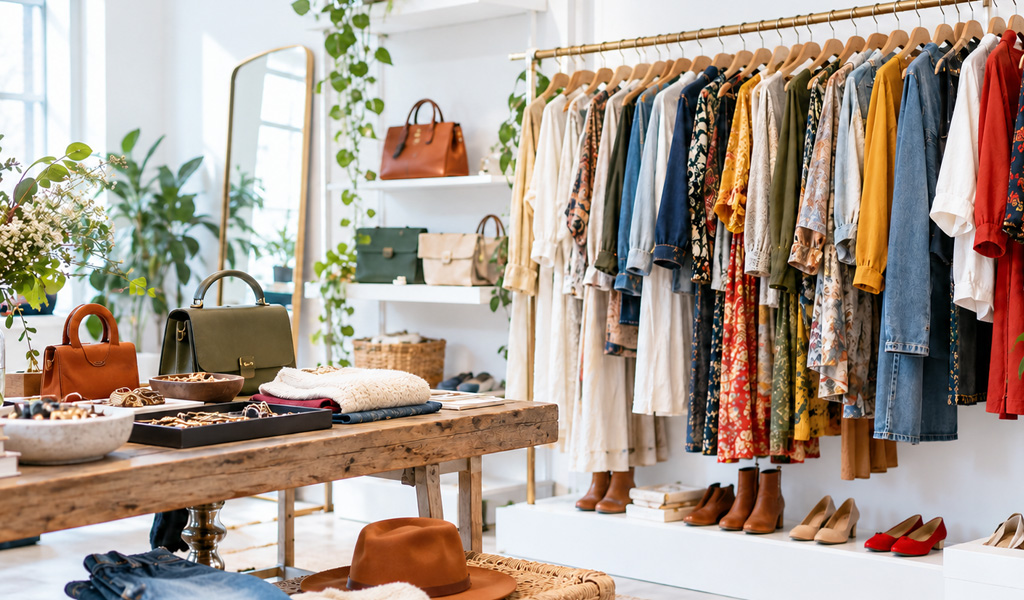
Have you noticed how many people are shifting away from traditional retail and embracing secondhand shopping instead? Consignment stores have quietly transformed into a significant force in modern retail, reshaping not only where people buy goods but also how they think about consumption, sustainability, and value. What started as a niche market focused primarily on designer clothing has expanded into a diverse ecosystem that influences shopping habits across multiple product categories. This shift reflects broader changes in consumer priorities, economic pressures, and environmental awareness that are reshaping the entire retail landscape.
1. Making High-Quality Items Accessible at Lower Price Points
Consignment stores have democratized access to quality products that might otherwise remain out of reach for budget-conscious shoppers. When a piece of designer furniture, brand-name clothing, or premium home decor arrives at a consignment store, it carries a fraction of its original retail price. For example, a handbag that retailed for 300 dollars might be available at a consignment shop for 75 to 100 dollars, depending on its condition and demand. This pricing structure allows consumers to own items from brands they admire without the premium price tag. The psychological benefit extends beyond mere savings; shoppers feel they have discovered a deal or unearthed treasure rather than simply purchasing at a discount. This shift in perception changes how people view their purchases and their relationship with the brands they buy.
2. Reducing Consumer Pressure to Buy New for Every Occasion
The rise of consignment shopping has challenged the cultural expectation that clothing and accessories must be new to be valuable. Traditionally, fashion cycles pushed consumers to constantly buy new items to stay current or to have something fresh for different occasions. Consignment stores offer an alternative that lets people explore style changes and wardrobe variety without the guilt or expense of continuous new purchases. A person attending a formal event, for instance, can find a one-time-wear dress at a consignment shop rather than investing in something new they might never use again. Entrepreneurs seeking to enter this growing market may structure their businesses around a consignment store franchise model, which provides an established retail framework suited to budget-conscious, sustainability-minded shoppers. The normalization of secondhand shopping has made it socially acceptable and even desirable to purchase pre-owned items.
3. Creating Economic Incentives for Sustainability and Conscious Consumption
Consignment stores have introduced a financial model that rewards sustainable behavior by allowing sellers to earn money from items they no longer need. When a homeowner can consign their gently used furniture or a parent can consign outgrown children’s clothing, they recover some of their initial investment while preventing those items from reaching landfills. This economic incentive transforms sustainability from a purely ethical concern into a practical financial opportunity. Consumers who might not prioritize environmental impact alone often respond enthusiastically when they realize they can earn cash or store credit. The consignment model extends the lifecycle of products significantly, reducing overall consumption and waste in the process. This shift creates a more circular approach to retail that benefits both individual wallets and the broader environment.
4. Challenging the Fast Fashion Model Through Extended Product Lifecycles
The traditional retail model encourages rapid turnover of inventory and planned obsolescence, pushing consumers to continuously buy new items. Consignment stores disrupt this cycle by proving that quality items from multiple seasons and even years past remain desirable and wearable. A well-made vintage coat or a timeless piece from five years ago finds new owners through consignment rather than becoming discarded waste. This visibility of durable, long-lasting products creates a counternarrative to fast fashion’s pressure for constant newness. Shoppers who regularly visit consignment stores develop a different appreciation for quality construction and timeless design over trendy, disposable clothing. The very existence of thriving consignment markets demonstrates that consumers are willing and eager to purchase items that older retail models deemed out of fashion.
5. Establishing Consumer Connections to Product History and Story
Purchasing from a consignment store often comes with a sense of connection to an item’s history and previous ownership that new retail cannot replicate. A vintage watch, a signed book, or a designer handbag carries a narrative that becomes part of its appeal and value. This emotional connection transforms shopping from a transactional experience into something more meaningful and engaging. Consumers increasingly seek this type of authentic, story-driven experience rather than the anonymous transaction of buying mass-produced items from faceless retailers. The rise of consignment culture has validated the idea that an item’s previous ownership can enhance rather than diminish its desirability. This shift in perspective changes not only where people shop but also why they shop and what they value in their purchases.
Conclusion
Consignment stores have fundamentally altered the landscape of consumer shopping by making quality items more affordable, challenging the pressure to buy constantly, creating financial incentives for sustainability, disrupting the fast fashion model, and adding meaningful narratives to purchases. These changes extend far beyond the secondhand market itself, influencing how traditional retailers operate and how consumers think about value and consumption. The growth of consignment shopping demonstrates that modern consumers are willing to embrace alternatives to conventional retail when those alternatives align with their values and budgets. As this sector continues to expand and evolve, its impact on consumer behavior and retail industry standards will likely deepen. Understanding these five ways that consignment stores are reshaping shopping habits provides insight into broader shifts in how people define quality, sustainability, and meaningful consumption in their lives.