Video has moved from optional to essential in business marketing. According to Forbes, brands that use video see higher engagement and stronger brand recall compared to text-based content alone. Customers now expect product walkthroughs, social media clips, and explainer videos before they make a buying decision.
The challenge is scale. Marketing teams need more content, faster production cycles, and consistent messaging across channels. Traditional animation often requires specialized skills, long timelines, and higher costs. That gap has led many businesses to explore a new solution. An animation video maker powered by artificial intelligence can generate scripts, visuals, voiceovers, and subtitles from a simple prompt. This shift is changing how companies approach storytelling, product education, and customer engagement.
What is changing in business marketing today?
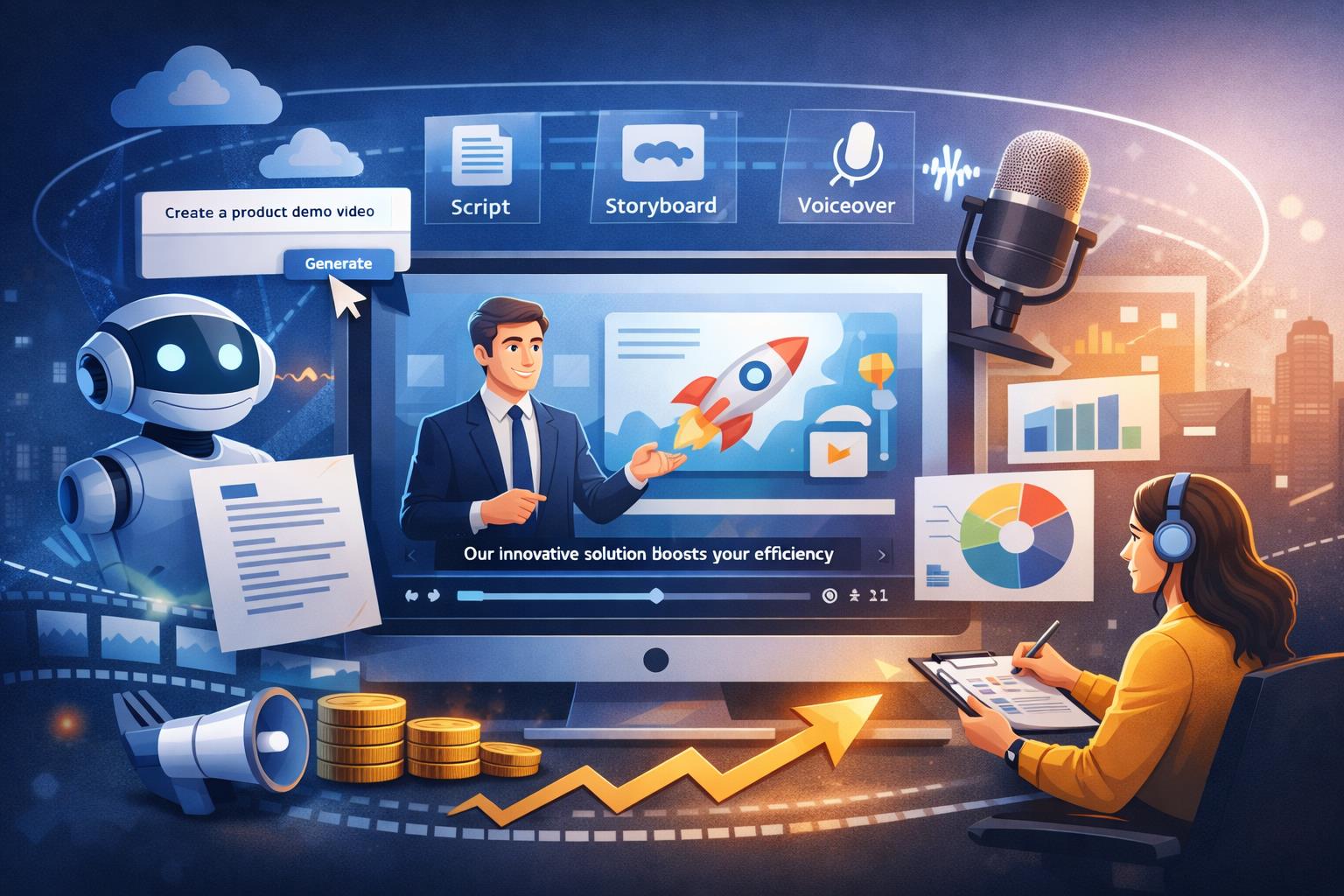
An animation video maker driven by AI allows businesses to transform ideas into complete videos within minutes. Instead of relying on manual storyboarding and editing, marketers can input a concept or campaign goal and receive a ready-to-publish animated video.
Here is what is different now:
- Script generation happens automatically based on prompts.
- Visual scenes are created or selected to match the narrative.
- Voiceovers and subtitles are added without external recording.
- Edits can be adjusted quickly without starting from scratch.
This means marketing teams can test multiple versions of ads, explainer videos, or social content without long production cycles. The result is faster experimentation, better audience targeting, and more consistent brand storytelling. For businesses that need ongoing product updates or frequent campaigns, this approach supports both agility and cost control.
How do animation video maker tools support modern storytelling?
Modern business storytelling requires clarity and speed. Customers want to understand what a company does within seconds. Animated content simplifies complex ideas into digestible narratives.
Clear brand narratives
Animated storytelling helps businesses:
- Explain abstract services in visual form
- Present customer journeys step by step
- Highlight key benefits without overwhelming viewers
For startups and small businesses, this means they can communicate their value proposition without building an in-house creative department. For larger teams, it supports rapid campaign rollout across departments.
Consistent visual identity
AI-based animation platforms allow marketers to maintain brand colors, fonts, and tone across multiple videos. This consistency strengthens recognition and trust. Over time, visual familiarity contributes to higher brand recall and improved conversion rates.
When used strategically, animated storytelling supports compliance in Business success as well. Regulated industries such as finance or healthcare can present required disclosures and process explanations clearly within video content, helping customers understand policies without confusion.
Can AI scale product demos and explainers?
Product demos and explainer videos often determine whether a prospect converts. Research from Wikipedia’s Video Marketing entry notes that video content increases time spent on websites and improves information retention compared to text alone.
Faster demo production
An animation video maker allows businesses to:
- Turn feature lists into structured walkthroughs
- Show step-by-step product usage
- Update demos instantly after software changes
This is especially useful for SaaS platforms that release frequent updates. Instead of reshooting live demos, teams can modify animations and regenerate voiceovers in minutes.
Simplifying complex offerings
Explainer videos help when:
- Products involve technical processes
- Services include multiple steps
- Customers need onboarding guidance
AI-generated animations break down these processes visually. Instead of lengthy manuals, users receive a concise animated guide. This improves onboarding and reduces support tickets.
Where does AI video creation fit in workflows?
AI-powered tools are not replacing strategy. They are becoming part of the workflow. For many marketing teams, the shift is practical rather than theoretical.
With AI platforms like invideo, an animation video maker helps convert prompts into scripts, scenes, and voiceovers. The marketing team focuses on messaging and audience targeting while the system handles production tasks. This balance allows businesses to experiment with campaigns across social media, landing pages, and email marketing without extending timelines.
Such AI platforms’ integrated AI video creator app also improves accessibility across devices. Marketing teams can draft scripts on a laptop, review edits on a tablet, and approve final cuts from a mobile phone. Cloud-based access means teams are not tied to a single workstation, which is especially useful for remote collaboration.
This flexibility helps businesses maintain steady content production without disrupting existing workflows, making animated marketing content easier to manage at scale.
Integration with content marketing
Businesses can repurpose:
- Blog posts into animated summaries
- Case studies into testimonial-style videos
- Product announcements into short social clips
This repurposing approach stretches the value of existing content. It also supports conversion-focused web design by embedding animated explainers directly into landing pages. Visitors understand offerings quickly, which often improves lead capture rates.
How does AI improve campaign testing?
Marketing is rarely a one-version process. Teams test headlines, visuals, and calls to action. AI animation tools make testing easier.
Rapid versioning
With an animation video maker, marketers can:
- Change voice tone to match different audience segments
- Adjust visuals for region-specific campaigns
- Test shorter and longer formats quickly
Instead of producing one expensive animated ad, teams can create several variations and compare performance.
Data-informed decisions
When combined with analytics, AI-generated animation helps identify:
- Which visuals drive higher click-through rates
- Which scripts lead to better retention
- Which calls to action convert more effectively
This cycle of creation and testing supports smarter budget allocation. Marketing resources move toward high-performing formats rather than guesswork.
What industries benefit most?
AI animation is not limited to one sector. It applies wherever communication matters.
Technology and SaaS
Tech companies use animated videos to explain software features, onboarding flows, and integrations.
Education and training
Course creators develop lesson summaries and concept breakdowns in animated form.
E-commerce and retail
Retail brands create product highlights, promotional clips, and seasonal campaigns quickly.
Across these industries, an animation video maker reduces dependency on large production teams. It empowers marketers to control timelines and respond to market changes faster.
How does AI animation support brand growth?
Brand growth relies on consistency and frequency. Customers need repeated exposure to messages before taking action.
AI animation enables:
- Regular social media publishing
- Ongoing product update announcements
- Event invitations and promotional clips
Businesses that publish video content consistently often build stronger audience relationships. Animated formats are especially helpful for brands that want to create faceless content while maintaining a professional presence.
Moreover, animated videos can support internal communication. Companies use them for employee onboarding, policy updates, and training modules. This internal clarity contributes indirectly to external marketing success.
Conclusion
Business marketing has entered a phase where speed and clarity define success. Customers expect visual explanations, product demos, and engaging social content before they commit to a brand. An animation video maker powered by AI helps businesses meet this expectation without expanding production costs or timelines.
By turning prompts into complete videos with scripts, visuals, and voiceovers, companies can scale storytelling, test campaigns, and maintain consistent messaging. The next step for businesses is practical experimentation. Start with one product demo or campaign idea. Measure performance. Refine based on data. Over time, AI animation becomes not just a tool, but a standard part of modern marketing operations.
Frequently Asked Questions
1. What is an animation video maker?
An animation video maker is a tool that creates animated videos from text prompts or scripts. AI-powered versions can generate scenes, voiceovers, subtitles, and background music automatically. Businesses use them to produce marketing videos, explainers, and social media content without advanced editing skills.
2. How does AI animation reduce marketing costs?
AI animation reduces reliance on large production teams, studio time, and manual editing. Teams can generate and update videos quickly, which lowers outsourcing expenses and speeds up campaign launches.
3. Can animated videos improve conversion rates?
Yes. Animated explainers clarify product benefits and reduce confusion. When embedded in landing pages, they often increase time on page and help visitors understand offers faster, which can improve lead generation and sales conversions.
4. Is AI animation suitable for small businesses?
Small businesses benefit significantly. They can create professional-looking content without hiring full-time designers or animators. This levels the playing field with larger competitors.
5. How often should businesses publish animated content?
Consistency matters more than volume. Many brands publish weekly or biweekly animated updates across social platforms. The right frequency depends on audience behavior and campaign goals.
6. Are AI-generated animations customizable?
Most AI animation tools allow changes to script tone, visuals, pacing, and branding elements. This flexibility ensures that videos align with company messaging and target audiences.
7. Can AI animation support training and onboarding?
Yes. Companies use animated videos for internal communication, training modules, and onboarding guides. Visual explanations improve understanding and reduce repetitive manual instruction.
If businesses focus on clarity, consistency, and data-driven iteration, AI-powered animation can become a practical driver of marketing growth rather than just another digital trend.