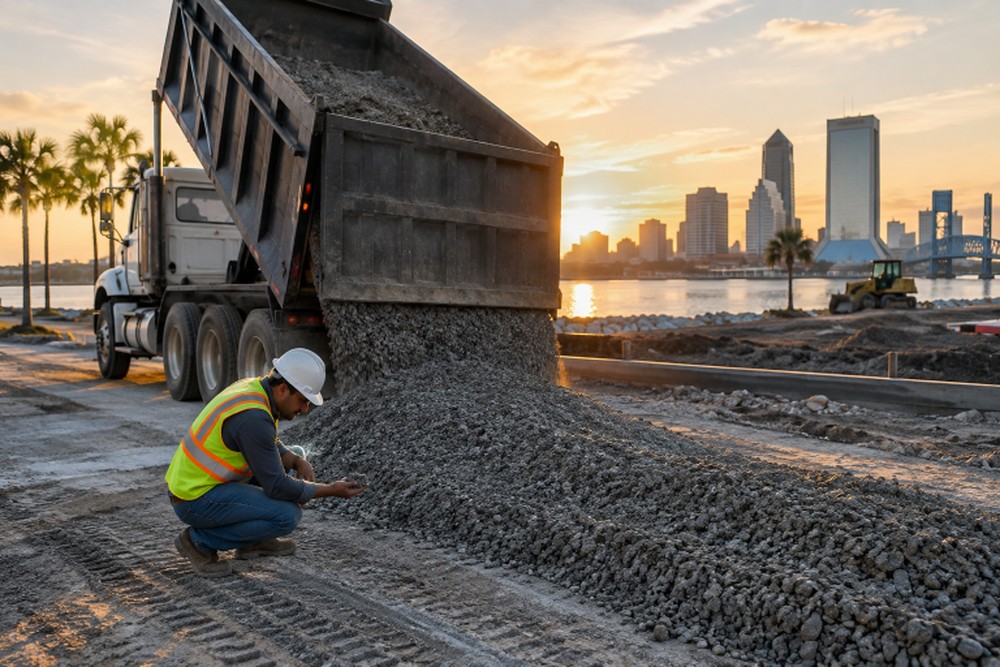
From commercial site preparation to driveway rebuilding and utility work, Jacksonville contractors often need dependable base and fill materials that fit the conditions of a busy coastal city. Properly processed recycled concrete can be a practical option for projects that require a stable, compactable material without assuming that every application calls for newly quarried stone.
The best approach is not simply to choose the lowest-priced load. It is to match the aggregate to the intended use, site drainage, traffic demand, plans, and local requirements. For Jacksonville road and site work, that preparation is especially valuable when schedules, delivery access, rain, and soil moisture can all affect placement and compaction.
Why Recycled Aggregate Matters
Concrete, asphalt, masonry, and other materials removed during demolition or reconstruction do not always need to be disposed of. The EPA explains that construction and demolition materials can be directed to new productive uses, including aggregate applications. Reusing suitable material can reduce the demand for virgin aggregate in approved applications while keeping usable resources in circulation.
That does not make recycled aggregate an automatic substitute for every specification. A municipal roadway, structural slab, drainage feature, temporary access route, and general fill area can all have different performance needs. Smart reuse begins with a clear understanding of the job, followed by material verification.
What Recycled Aggregate Is
Recycled aggregate is processed material made from recovered concrete, asphalt pavement, or similar mineral-based construction debris. In a Jacksonville-area recycling operation, incoming concrete may come from sidewalks, curbs, driveways, pavement sections, and demolition rubble.
How It Is Processed
- Recoverable material is collected and delivered for processing.
- Obvious debris, including wood and other unsuitable materials, is removed.
- Concrete or asphalt is crushed into smaller pieces.
- The crushed material is screened into usable size ranges.
- Metal is separated when processing equipment and the incoming material require it.
Names matter when ordering. Recycled concrete aggregate generally refers to crushed processed concrete. Reclaimed asphalt pavement is processed asphalt material. Road base is a product intended for base applications, whereas fill and fines can refer to materials with different particle sizes and compaction characteristics. Ask for the actual gradation and intended use rather than relying on a broad product name.
Common Project Uses
When it meets the project specification, recycled aggregate may be appropriate for road base and subbase, parking-area foundations, driveway preparation, trench backfill, construction entrances, temporary access roads, shoulder repair, grading, and general fill. It may also be considered for concrete or asphalt applications upon the project engineer’s approval.
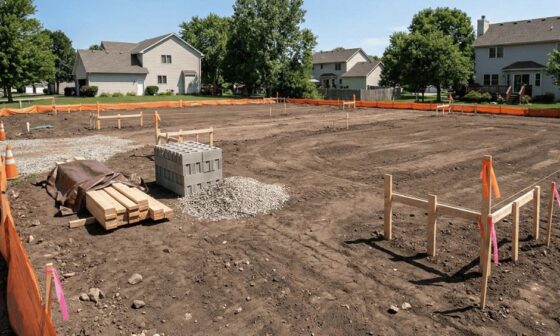
For example, a site manager preparing a Jacksonville development site may place and compact screened recycled aggregate for a temporary haul road. That route can help equipment move across the site before final pavement, curbs, landscaping, or finished surfaces are installed.
What to Check Before Ordering
Choosing material based solely on price can cause delays if the delivered product does not match the design. Before ordering, review the plans and consider:
- The intended use, such as base, backfill, leveling, or fill.
- Required gradation, lift thickness, and compaction method.
- Expected truck, equipment, or passenger-vehicle traffic.
- Drainage paths, moisture conditions, and the prepared subgrade.
- Soil reports, engineer instructions, and inspector requirements.
- Applicable Jacksonville, project-owner, or transportation specifications.
- Site access, staging room, and the order in which loads can be placed.
Quality, Testing, and Jobsite Fit
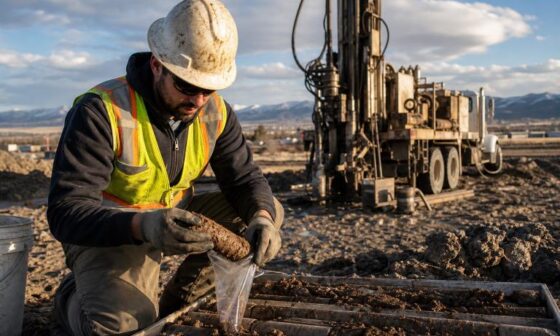
Cleanliness and consistency affect how aggregate spreads, compacts, and performs. Basic quality checks can assess particle-size distribution, moisture content, compaction behavior, durability, and the presence of wood, metal, soil, plastic, or other unwanted debris.
Recycled concrete may behave differently from virgin stone because mortar remains attached to the original aggregate particles. Federal guidance on reclaimed concrete material processing and pavement uses notes the importance of crushing, screening, and the removal of foreign debris and reinforcing steel. For material placed below pavement or structural work, testing and project specifications should determine final acceptance.
Cost and Delivery Factors
The delivered cost of aggregate involves more than the per-ton quote. Consider loading, haul distance, truck scheduling, site access, equipment for spreading and compaction, moisture control, testing, inspection, and extra handling if oversized or mixed material must be corrected.
A nearby source can simplify delivery planning and reduce truck travel time, but the actual project value depends on the material, route, crew schedule, and placement requirements. Compare complete job costs, not only unit prices.
A Simple Planning Process
- Define the work. Identify whether the aggregate will serve as base, fill, backfill, or another approved use.
- Review the documents. Check drawings, specifications, soil information, and inspection steps.
- Select the gradation. Choose a size range that suits the equipment’s design and placement.
- Confirm quality. Request available product details, testing information, and processing information.
- Schedule delivery. Coordinate loads with site access, storage space, weather planning, and placement crews.
- Prepare the area. Grade the subgrade and address drainage before material arrives.
- Document the work. Keep delivery tickets, test reports, and inspection notes.
Common Mistakes to Avoid
- Using one aggregate product for every portion of a project.
- Overlooking drainage, moisture, or soft subgrade conditions.
- Ordering without confirming the required gradation.
- Failing to plan lift thickness and compaction equipment.
- Accepting material with excessive debris or inconsistent sizing.
- Assuming recycled material never requires testing.
- Scheduling delivery after the placement crew is already waiting.
- Using a product that does not meet the contract or agency specification.
Questions to Ask a Material Supplier
- What material type and size range are available?
- Is the product crushed, screened, or otherwise processed?
- What applications is it commonly used for?
- Are product documentation or test results available?
- How are metal and other contaminants addressed during processing?
- What is the minimum order size and delivery lead time?
- Can deliveries be coordinated with the site schedule?
- What should the contractor know about moisture and compaction?
Final Takeaway
Recycled aggregate can be a useful material choice for many road and site projects in Jacksonville. The strongest results come from matching the product to the purpose, confirming quality before placement, planning delivery carefully, and following the engineer’s and project owner’s requirements. Responsible reuse is not about using recycled material every time. It is about selecting the right material for the work.