A durable kitchen design simplifies daily use and can adapt as needs change over time. In kitchen remodeling, features such as flexible layouts and efficient storage improve long-term functionality for a household. Here are a few tips on how to design a kitchen that will accommodate future requirements:
Prioritize Flexible Kitchen Layouts
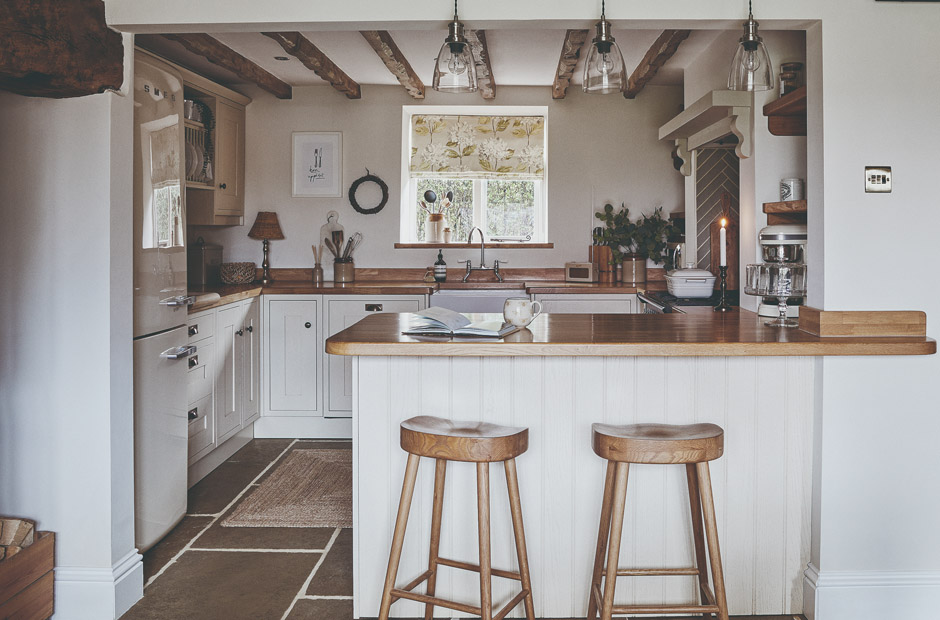
Flexible layouts keep a kitchen functional as household needs change. Open floor plans link the kitchen with adjacent spaces, improving movement and communication among family members. Wider aisles provide clear walking paths, reducing obstruction even when appliances or furniture are added. Removing structural or decorative barriers, such as non-load-bearing divider elements, improves visibility and access between the kitchen and dining areas. These design choices help kitchens remain usable as family structures and routines evolve over time.
Make Detailed Design Plans
Customize Storage and Materials
Upgraded storage solutions improve how efficiently a kitchen is used. Custom cabinets allocate space for appliances in specific locations, while modular shelving with adjustable heights accommodates items that do not fit standard dimensions. Frequently used items remain within easy reach, and rarely used items are stored in less accessible areas. Organizing cabinets around household routines improves day-to-day access and supports adjustments as family size or needs change.
Durable countertops and flooring materials withstand heavy, repeated use over time. Quartz and granite countertops resist stains, scratches, and heat more effectively than laminate surfaces. Natural stone slabs retain their color and finish for longer periods compared with many manufactured alternatives. These durable materials reduce ongoing maintenance needs and extend the service life of the kitchen surfaces. Selecting long-wearing materials also preserves appearance and function, supporting a consistent and practical kitchen environment over time.
Incorporate Layered Lighting
Kitchen remodeling often includes planned lighting systems that shape how the space is used throughout the day. Task lighting positioned above counters, sinks, and cooking zones improves visibility for food preparation and cleaning. Accent lighting highlights architectural details such as cabinetry and ceiling features, reinforcing the visual character of the kitchen during social use or evening gatherings. Ambient lighting provides overall illumination for general movement and everyday activities, reducing shadows and improving safety across the room. Combining these lighting types creates layered illumination that supports different tasks at the same time. A centralized control system allows adjustment of brightness and zones based on activity, time of day, and desired atmosphere, improving overall usability and efficiency.
Start Your Kitchen Remodeling Today
Starting a kitchen remodeling with flexible layouts and storage solutions tailored to your family’s needs helps optimize functionality. Durability in materials, from countertops and fixtures to flooring and backsplashes, helps your kitchen maintain its functionality as your family grows and changes. Reliable remodeling experts are able to walk you through the process; they also work with a variety of vendors and will help you find suitable materials for your budget and aesthetic goals. Start your remodel project today.