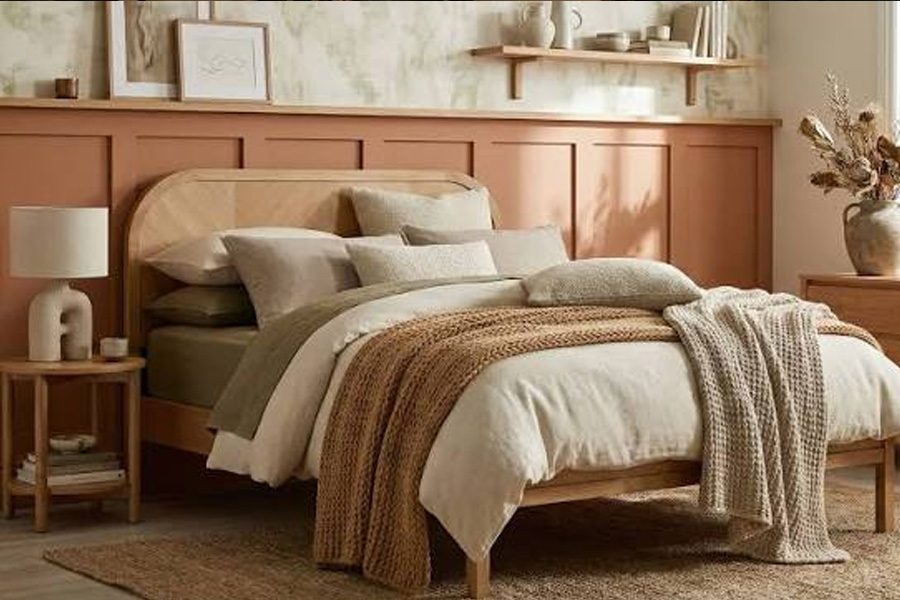
Bedrooms are becoming quiet retreats rather than plain places to sleep. As 2026 nears, people want spaces that ease the mind and protect their well-being. That priority now guides how they pick furniture, with softer shapes, natural materials, and considered layouts leading the way. This sanctuary mindset is reshaping how homeowners shop for, style, and value their most private room.
Why Sanctuary Themes Are Rising
Constant pressure and screen fatigue have led many people to reconsider where they truly rest. A calm bedroom lets the body relax and drift off sooner. Curated ranges such as luxury Miami bedroom furniture collections show how organic finishes and clean lines bring warmth instead of coldness. Sleep studies tie soothing surroundings to deeper, longer rest, which helps explain the pull toward restful design. Increasingly, homeowners see the bedroom as a wellness space, not a cluttered storage room.
Muted tones, gentle curves, and tidy surfaces shape this look. Designers say clients now request fewer pieces, each with clear intent. Quality has overtaken quantity, and every item must justify its spot through beauty or comfort. Remote work has blurred the line between rest and productivity, so many people now guard the bedroom as one screen-free zone. That protective instinct feeds directly into the choices they make.
Materials And Colors Shaping The Trend
Natural textures ground the sanctuary feel. Oak, walnut, linen, wool, and brushed metal add a settling warmth to private spaces. Soft neutrals, faded greens, sandy beiges, and mellow clay shades fill these palettes because such colors quiet the eye and help people decompress after long days.
Layering counts too. Woven throws, padded headboards, and textured rugs bring the depth that bare rooms miss. Small touches like these invite contact and deepen the sense of ease. Matte surfaces are also gaining ground over glossy ones, since they reflect less light and feel gentler at night.
Furniture Pieces Driving The Shift
A few items matter more in a sanctuary-minded bedroom. Each blends usefulness with a soothing atmosphere.
Beds And Headboards
The bed remains the room’s focal point. Upholstered, low-profile frames sell well because they soften a space right away. Cushioned headboards also serve as backrests for reading, offering everyday value beyond good looks. Fabric choices in wool blends and cotton add a tactile pull that hard frames rarely match.
Storage With Purpose
Concealed storage keeps surfaces bare, which sustains the calm mood. Drawered nightstands, benches with hidden space, and slim dressers cut visual clutter while stowing daily basics. Fewer objects on display means fewer distractions, and that visual quiet often translates into a calmer state of mind at bedtime.
Seating And Soft Corners
One armchair or a compact chaise can turn a spare corner into a reading spot. Such pieces invite slow, screen-free moments and support the room’s restorative aim. A small side table and a soft lamp complete the nook without crowding the floor.
Lighting And Layout Considerations
Arrangement shapes the mood as much as the furniture does. Placing the bed away from the door creates a grounded, secure feeling. Clear walking paths let a room breathe and stop it from feeling packed. Balance also helps, so pairing nightstands or centering the bed on a wall brings a natural sense of order.
Lighting matters just as much. Dimmable lamps, warm bulbs, and layered fixtures take the place of glaring ceiling lights. Gentle pools of light cue the brain to relax, easing the slide into sleep. Blackout panels combined with sheer layers let sleepers manage brightness across the day. Warmer bulbs in the evening also limit blue light, which can otherwise delay the body’s natural wind-down.
Practical Tips For Buyers
A restful bedroom does not require replacing everything overnight. A gradual plan guards the budget and eases decision fatigue.
Begin with the biggest piece, usually the bed, then add supporting items over time. Focus first on things you use every day, since comfort there matters most. Always measure before buying, because oversized furniture crowds a room and cancels the very calm these spaces chase.
Testing materials firsthand helps whenever possible. Fabric feel, drawer glide, and frame strength expose quality that photos tend to hide. Choosing a few sturdy pieces often costs less over time than swapping out cheaper ones again and again. It also helps to think about the room as a whole before buying, so each new addition works with what already sits there rather than fighting it.
Conclusion
Sanctuary-led bedrooms mirror a broader wish for rest, calm, and personal well-being as 2026 arrives. Careful furniture, natural materials, soft lighting, and uncluttered layouts turn everyday rooms into real retreats. When homeowners choose quality pieces with purpose, they build spaces that aid better sleep and daily recovery. This trend rewards patience, comfort, and design that keeps peace of mind front and center.