Sagging floors in older homes often signal underlying structural issues that begin beneath the visible surfaces. The materials supporting a house are gradually stressed by environmental and structural factors, which can slowly alter the alignment and stability of the floors. These changes may lead to noticeable dips, uneven areas, and weakened floor sections. Here are some common signs of sagging floors in older homes:
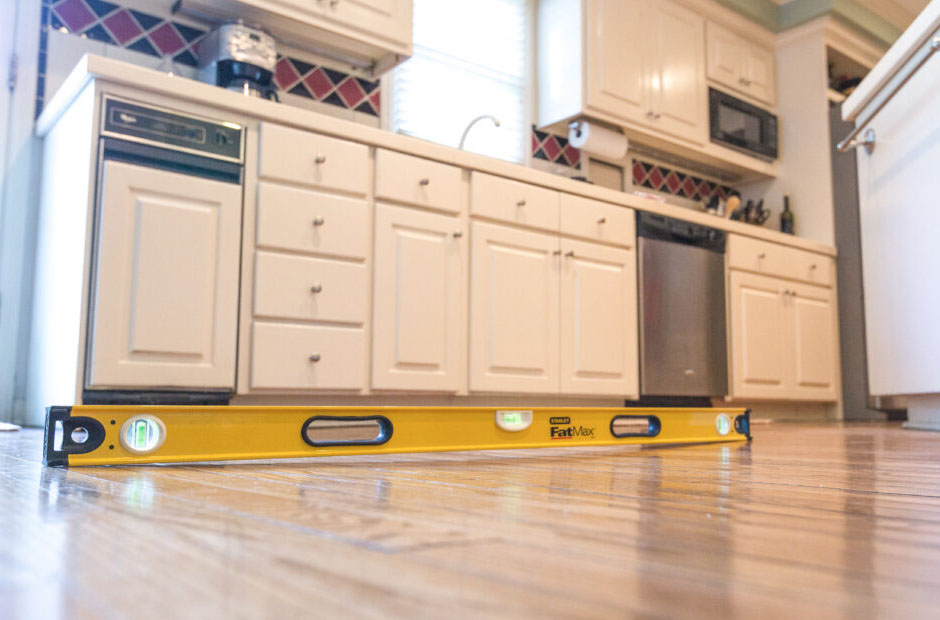
Uneven or Dipping Floors
Shifting, sinking, or compressing soil beneath a home weakens the foundation and causes the floors above to sag. Floor joists, which depend on a stable foundation for proper alignment and load distribution, lose support, leading to localized depressions. These uneven areas appear over the sections of the home where the soil has settled the most; such dips signal weakness in the underlying structure rather than damage to the flooring itself.
Sagging Above Basement Areas
Excessive moisture in a basement can cause floors to sag by weakening the wooden elements that support the subfloor. Prolonged dampness promotes wood rot, which gradually compromises the strength of floor joists. Once the joists lose their ability to fully bear the weight of the floor system above, sections of the floor begin to sink, typically over the dampest areas of the basement. Unlike sagging caused by foundation settlement, this type of floor movement directly results from moisture-related damage to the structural components of the floor.
Moisture softens the wood, reducing both the stiffness and load-bearing capacity of the joists. As the joists deteriorate, the floors above bow downward under normal household loads. The severity of the sag depends on the duration of moisture exposure and the extent of joist decay. Inspecting the area involves identifying which joists are rotted and assessing how persistent damp conditions have affected the floor system’s alignment and stability. Professional waterproofing experts are able to provide encapsulation or sump pump installation where necessary to help prevent sagging floors in the basement.
Weak or Rotted Joists
Sagging floors occur when joists are compromised by termite damage or poor construction. Termites gradually weaken the wood, diminishing its capacity to support the weight of the floor system above. Improperly installed or inadequately supported joists can create instability, causing floors to sag even when the soil beneath and moisture conditions are stable. Both scenarios directly undermine the structural integrity of the joists, resulting in localized depressions in the flooring. Termite activity erodes the wood from within, producing joists that cannot perform their intended load-bearing function. In cases of poor construction, misaligned or insufficiently supported joists prevent the floor system from distributing weight evenly, ultimately leading to sagging floors. Foundation repair experts assess the extent of joist damage and recommend targeted solutions, such as reinforcing or replacing compromised joists, to restore floor stability and prevent further sagging.
Cracks Near Floor Edges
Soil beneath a home’s foundation can shift and settle unevenly, a process known as foundation settlement; this often leads to sagging floors. Uneven settlement alters how the foundation carries weight, transferring additional stress to the framing and rigid surfaces above. Cracks frequently appear along floor edges because the junctions between floor and wall framing are rigid and cannot flex to absorb the forces created by the shifting structure.
As the foundation moves, the paths through which weight travels change, concentrating stress at these rigid junctions. Unable to bend or adjust, the connections between floor and wall surfaces pull apart, forming straight cracks along the edges of floors. These cracks directly reflect the effects of soil movement beneath the foundation. Foundation repair experts can evaluate the extent of settlement and provide targeted solutions, such as reinforcing the foundation or adjusting the framing.
Hire Sagging Floors Repair Specialists
Sagging floors indicate structural weaknesses that need professional intervention. Professional assessment identifies problems caused by foundation settlement, moisture damage, or compromised joists. Fixing these issues helps to restore proper support to the floors and stops further sagging. Contact a floor repair team today to schedule an inspection for sagging floors.