A commercial roofing project can affect far more than the top of a building. It can change where customers park, how deliveries arrive, when employees can work, and how tenants access their spaces. Planning a roof replacement as an operations project, not just a construction project, helps property teams protect revenue, safety, and day-to-day routines.
The goal is not necessarily to eliminate every inconvenience. It is to identify disruptions early, set realistic expectations, and create workable alternatives before materials, crews, and equipment arrive. A clear scope, coordinated schedule, and reliable communication process can make a major capital project easier to manage.
Why Planning Matters Before Work Begins
Roof work can create noise, temporary odors, debris, restricted parking, and delivery conflicts. It may also affect HVAC access, rooftop equipment, customer entrances, and sensitive inventory below the work area. Early planning gives the property team time to choose alternate routes, protect vulnerable spaces, and coordinate with occupants. For example, a retail center may schedule the loudest tear-off activities before opening hours while preserving customer parking during peak periods.
Know When Replacement Is Needed
Repeated repairs can be appropriate for isolated damage, but they are not always the best long-term answer. Consider replacement when leaks occur in multiple areas, membrane damage is widespread, flashing is failing, insulation is wet, or repair costs keep rising without lasting results. Roof age, drainage performance, interior water damage, and the condition of seams, curbs, drains, and edge details should all be part of the decision.
Build A Condition-Based Project Scope
Do not compare bids until bidders are pricing a consistent scope. Start with maintenance records, leak reports, prior repair invoices, and a detailed roof inspection. The written scope should identify the existing assembly, required tear-off areas, insulation needs, drainage concerns, penetrations, flashing, edge metal, cleanup, and protection of occupied spaces. Separate confirmed work from allowances for hidden deck deterioration or other concealed conditions.
Choose The Right Project Schedule
Phased Work
Phased work divides the roof into manageable sections. It is often useful for occupied offices, schools, medical facilities, and retail properties because access can remain available while crews move through planned zones.
Off-Hours Or Full-Site Work
Off-hours work can reduce interruptions from noise and material movement, although it may increase labor costs. Full-site work may shorten the total timeline, but it can place greater pressure on parking, loading areas, and building access. Consider weather, permit timing, material availability, busy seasons, tenant schedules, and the cost of disruption. The fastest schedule is not always the most economical overall.
Protect Daily Operations And Site Access
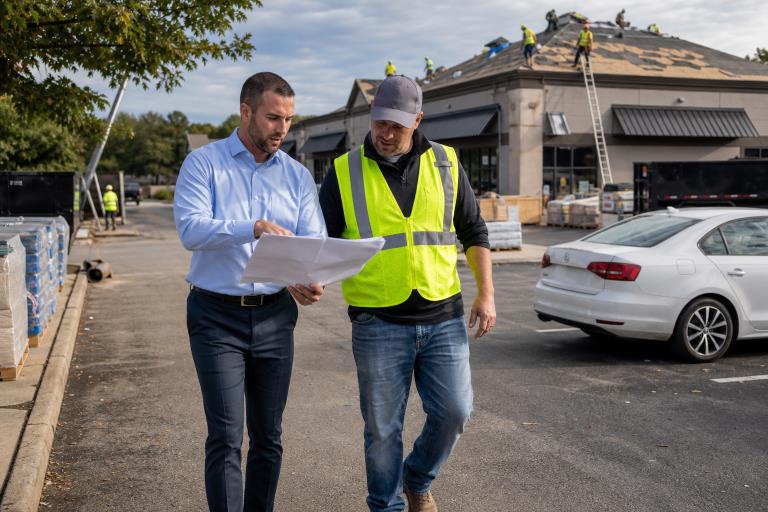
Before work begins, walk the site with the contractor and identify how people, vehicles, and equipment will move safely each day. Create a practical site-access plan that includes:
- Clearly marked work zones, barriers, and temporary signs.
- Open emergency exits and unobstructed fire lanes.
- Alternate entrances, parking areas, loading zones, and delivery routes.
- Protection for inventory, electronics, ceiling spaces, and other sensitive areas.
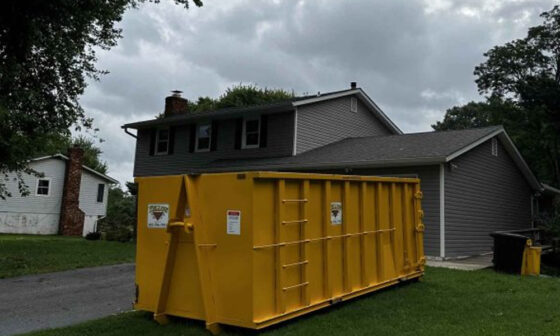
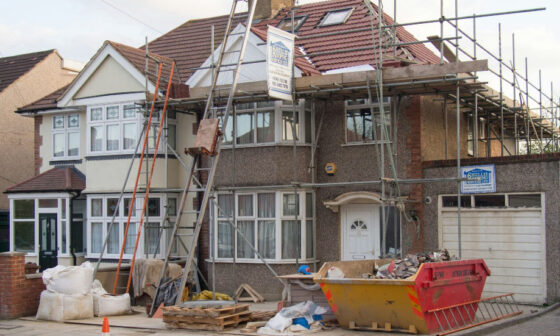
- Daily debris removal, magnetic sweeps where appropriate, and cleanup standards.
- Coordination around HVAC service, utilities, and rooftop equipment access.
Set Clear Safety Rules
Safety planning must protect workers as well as employees, tenants, customers, and visitors. Address fall hazards, skylights, roof openings, ladder placement, lifting zones, restricted areas, hot work, and fire prevention before the project starts. OSHA’s fall prevention guidance can help teams understand important considerations for roofing and decking work, but local rules and site-specific hazards may require additional controls.
Compare Roofing Options By Long-Term Value
The lowest initial bid is not automatically the strongest value. Compare systems by expected service life, maintenance demands, drainage compatibility, insulation performance, weather exposure, rooftop traffic, installation limits, and warranty requirements. Ask whether the selected assembly will support future solar panels or mechanical upgrades. In warm climates, reflective surfaces can lower heat absorption, although actual energy results depend on insulation, HVAC performance, building use, and local energy costs.
Manage Costs And Change Orders
Two proposals can look similar while covering very different work. Review removal and disposal, insulation type and thickness, flashing, drains, curbs, edge metal, permits, testing, staging, traffic control, and off-hours labor. Require itemized bids and a written change-order process. Unexpected work should include photos, a description of the condition, labor and material costs, schedule effects, and written approval requirements before it proceeds.
Communicate With Staff, Tenants, And Customers
Consistent updates reduce confusion and complaints. Share project dates, affected areas, parking changes, delivery instructions, anticipated noise, and contact information before work begins. Assign one person to handle daily questions and send updates when weather or site conditions change the schedule. Post signs before rerouting people or vehicles, and keep records of notices, approvals, inspections, and progress reports.
Check The Finished Project Before Closeout
Closeout should be a detailed review, not a quick walk around the property. Confirm that seams, flashings, drains, edges, and penetrations match the approved scope. Verify that debris, tools, and temporary protection have been removed and that landscaping, entrances, and access areas are restored. Collect completion photos, warranty documents, maintenance instructions, permit records, inspection results, approved change orders, and a schedule for future roof inspections.
Conclusion
A commercial roof replacement does not have to stop business operations. When property leaders align the construction scope with a continuity plan, they can reduce avoidable disruption and make better decisions throughout the project. Careful scheduling, safety controls, clear communication, and complete closeout records help protect the building long after the crew leaves.