Key Takeaways
- Each Massachusetts season presents unique pest challenges requiring targeted strategies.
- Preventive action throughout the year greatly reduces the risk of pest infestations.
- Cleanliness, home upkeep, and sealing entry points are your best ongoing defenses.
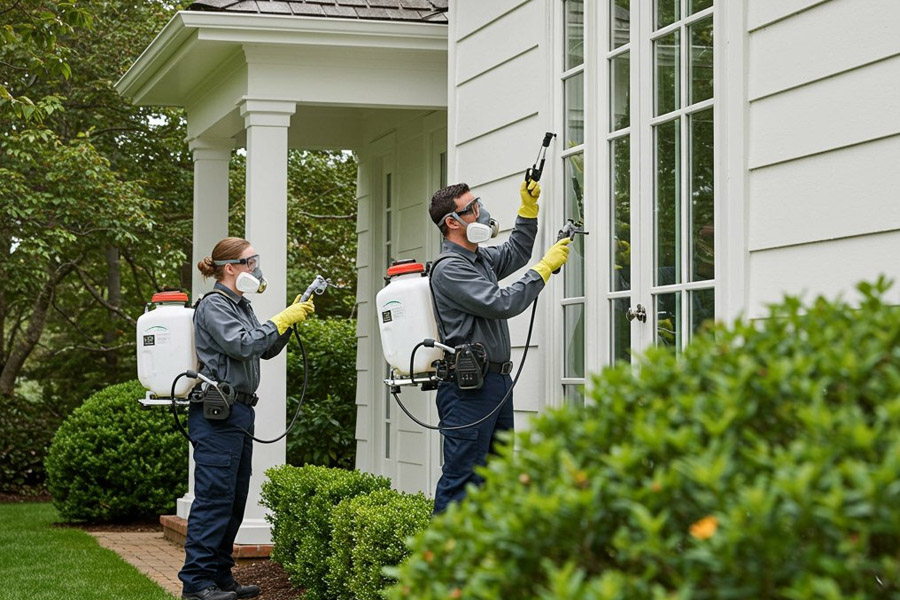
Massachusetts homeowners face ever-changing pest threats year-round. The state’s distinct seasons bring different invaders, making it crucial to adjust prevention strategies regularly. Early identification and season-specific measures are key to enjoying a safer, healthier home. For those who want to take their efforts a step further, seeking expert pest control services in Weston for long-term prevention offers peace of mind and protects your property from costly infestations. Pests enter homes for food, warmth, and shelter, making vigilance essential as the weather shifts. Whether you are clearing away springtime debris, keeping yards trim in summer, or sealing gaps as fall arrives, being proactive reduces risks. Home maintenance, routine cleaning, and swift response remain effective defenses against nearly all pests. Some pests, such as termites and rodents, can go unnoticed until significant damage is done. That is why early detection and prevention are so important. Understanding the habits and preferred hiding places of each season’s most common invaders will help you stay ahead of infestations and minimize health hazards. Prevention is always more cost-effective than extermination. Staying informed about seasonal pest trends and knowing which prevention tactics work best in the Massachusetts climate can ultimately save time, money, and stress.
Spring Pests
Rising temperatures after winter encourage many pests to become active again. This is the time when you may first notice trail lines of ants or see swarming termites near wooden structures. Melting snow and spring rains can create stagnant puddles that invite mosquitoes to breed, leading to itchy bites and the potential spread of disease. Early action is critical because pest populations can rapidly increase during these months.
- Ants:Look for carpenter ants and pavement ants that begin foraging in kitchens and pantries.
- Termites:Swarmers emerge, searching for places to start new colonies and placing all exposed wood at risk.
- Mosquitoes:Standing water on your property can quickly become a major breeding site for biting insects.
Prevention Tips for Spring
- Seal cracks in the foundation and exterior walls to block entryways for ants and termites.
- Repair leaky faucets and eliminate sources of standing water outside to prevent mosquito larvae.
- Stack firewood and eliminate old leaves or yard clutter at least 20 feet from your home.
More details on spring pest control can be found in Consumer Reports’ guide to getting rid of ants in the house.
Summer Pests
Hot, humid weather in Massachusetts brings out peak numbers of mosquitoes, ticks, and stinging insects, all of which can pose a danger to health. Mosquito activity is most intense at dusk, especially in areas with standing water or dense vegetation. Ticks thrive in tall grass and wooded yards, so checking family members and pets after outdoor activity is critical. Wasps often construct nests near homes and patios, increasing the risk of painful stings.
- Mosquitoes:Their numbers surge during hot, damp nights.
- Ticks:Active in yards, fields, and shaded spaces, ticks can transmit Lyme disease.
- Wasps:Frequently build papery nests under eaves, decks, and sheds.
Summer Prevention Tips
- Trim lawns, shrubs, and remove leaf litter to reduce tick habitats.
- Plant citronella, lavender, or marigolds in outdoor areas to deter flying pests.
- Check for and safely remove any visible wasp nests early in the season to prevent larger colonies.
For more information on mosquito control, refer to Consumer Reports’ advice on how to keep mosquitoes away.
Fall Pests
Cooler autumn weather signals many pests to seek indoor refuge. Rodents, such as mice and rats, can squeeze through tiny gaps to access warmth and food. Spiders may become more visible as they pursue mates. Stink bugs attempt to overwinter in insulated spaces, clustering around windows and in attics. This is the optimal time to seal your home’s exterior and reinforce defenses before winter hits.
- Rodents:Look for droppings or chewed packaging as signs of an infestation.
- Spiders:Mostly harmless, but their webs and sudden appearances can be unsettling indoors.
- Stink Bugs:Noticeable as they gather to hibernate in wall voids or behind siding.
Fall Prevention Tips
- Seal cracks around windows and doors, and check weatherstripping twice each year.
- Store all food, including pet food, in metal or strong plastic containers with tight lids.
- Vacuum and declutter to remove hiding spots and food sources for pests.
Winter Pests
Cold weather sends many pests into a dormant state, but some remain active indoors. Rodents can chew wiring and damage insulation, while bed bugs may hitchhike in with guests or second-hand furnishings. Preventing these pests requires constant vigilance and regular inspections, especially in older homes where access points are common.
- Rodents:Persistent intrusion for food and warmth, especially as temperatures drop.
- Bed Bugs:Can infest sofas, beds, and cracks in bedroom furniture year-round.
Winter Prevention Tips
- Check for gnawed holes, nests, or droppings in attics, basements, and behind kitchen appliances.
- Keep a stable indoor temperature and promptly fix broken vents or screens.
- Thoroughly inspect any used furniture or packages before bringing them indoors.
General Prevention Tips
Prevention boils down to denying pests the four essentials: food, water, shelter, and access. This means regular home inspections, maintaining a high standard of cleanliness, and staying vigilant about changes both inside and outside the home.
- Walk the perimeter of your home at least once per season to look for new entry points or signs of infestation.
- Dispose of trash promptly and wipe down kitchen surfaces daily to remove crumbs and spills.
- Seek help from licensed pest control professionals for serious or recurring problems to ensure safe and thorough removal.
With proper planning and consistent action, Massachusetts homeowners can stay one step ahead of seasonal pest threats. Careful monitoring, routine maintenance, and calling for expert support when needed are the best ways to secure your property and protect your loved ones year-round.
Conclusion
Protecting your Massachusetts home from pests requires a year-round commitment to prevention and seasonal awareness. Because each season brings different pest challenges, adjusting your maintenance and pest control strategies can significantly reduce the risk of infestations and costly property damage. Simple practices such as sealing entry points, maintaining a clean home, eliminating excess moisture, and inspecting your property regularly provide lasting protection against common household pests. Staying alert to early warning signs also allows you to address problems before they become more serious. When preventive measures are not enough, partnering with a qualified pest control professional can provide effective, long-term solutions tailored to your home’s needs. By combining consistent upkeep with season-specific prevention, you can create a healthier, safer, and more comfortable living environment for your family year-round.