A Quiet Philosophy For Everyday Living
There is a subtle strength in rooms that feel intentional and unhurried. Scandinavian interiors embrace that strength through simplicity, practical beauty, and a close bond with nature. The style is more than minimal surfaces. It is a way of composing a home that supports daily routines, respects silence, and makes room for imagination to roam. You design to live well. You edit to think clearly. You layer to feel at ease.
Choosing this approach is a smart refresh for any home, whether you are furnishing a small apartment or refining a family house. Scandinavian design offers a timeless blueprint that is calm yet dynamic, grounded yet light. With a handful of guiding principles, you can shape spaces that look effortless and feel deeply human.
Light and Natural Materials
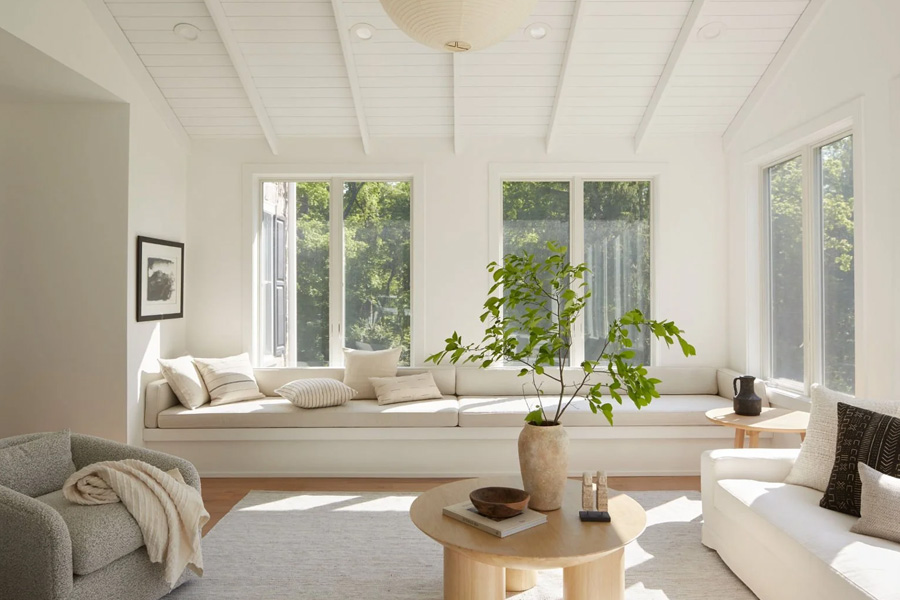
Light is the lifeblood of Scandinavian rooms. It enters through generous windows, then bounces across pale woods and soft finishes. Ash, birch, pine, and light oak are foundational. Bleached floorboards brighten corridors. Raw wood shelves bring natural texture to kitchens. A slim-legged dining chair in oak keeps visual weight low while adding warmth.
Material pairing counts. Wind-blown linen drapes soften daylight. Wool throws give sofas weight. Stone surfaces quietly support the palette. Leather and natural fibers age well and create deep patina. Small gestures matter. A jute rug. An engraved console bowl. Woven baskets under a bench. These accents bring nature indoors without cluttering.
Neutrals With Depth and Warmth
The palette is often neutral, but never flat. Whites, ivories, and warm grays let light travel freely, yet they carry gentle variations that read as depth rather than noise. Greige and beige create a soft bridge between cool and warm tones. Muted pastels can appear in measured ways. Think pale sage in a throw pillow or powder blue on a lampshade.
Layering is the secret to atmosphere. Walls in soft ivory. A warm gray sofa. Black accents in hardware or lighting to trace outlines and add contrast. Wood tones act as a slow heartbeat, steadying the scene. The result is a spectrum of neutrals that feels cohesive from room to room, like clouds drifting across an open sky.
Furniture Where Form Meets Function
Scandinavian furniture is a study in purpose. Clean lines, ergonomic curves, and careful detailing replace showy ornament. Each piece contributes to comfort and utility, which keeps clutter at bay and brings clarity to daily life. A streamlined sofa with tapered legs sits lightly in the room, showing more floor and making the space feel larger. A dining table with simple geometry invites lingering conversation while standing up to everyday meals.
Materials are candid. Solid wood, leather, and metal are common, with craftsmanship that favors longevity. Multipurpose pieces shine in smaller homes. A bench that doubles as storage. A nesting side table that expands for guests. A media console that hides cables for a tidy look. Form and function move in tandem, like two dancers finding rhythm.
Lighting That Shapes Mood
Layered lighting prepares Nordic interiors for changing daylight. Warmth should be created every hour. Ceiling lights give general illumination. At seating height, table lamps provide intimacy. Wall sconces illuminate paintings and corners. Evenings and parties glow softly with candles.
The fixtures themselves are sculptural but modest. Paper lanterns create diffused halos. Matte black or warm brass pendants define islands and dining tables. Use dimmers to fine tune intensity. Choose warm temperature bulbs to keep skin tones and wood finishes flattering. Vary the height of light sources to build visual interest without commanding attention.
Hygge Without Clutter
Scandinavian rooms are minimal but never cold. Hygge, the feeling of cozy comfort and connection, is woven through layered textiles and small rituals. A wool throw draped over an armchair invites reading. Sheepskin cushioning turns a bench into the favorite seat. Quilted bedding and plush rugs soften the hush of winter mornings.
Hygge is not about filling space. It is about tuning atmosphere. A reading corner with gentle task light. A breakfast nook lit by a simple candle. A stack of well-loved books on a tray. These moments give rooms a lived-in soul while keeping surfaces open and air moving freely.
Nature As a Constant Companion
The outdoors is present, even when you stay inside. Views matter, so keep window treatments light or pull them aside to borrow the landscape. Houseplants add fresh color and living rhythm. Ferns, rubber plants, or a single fiddle leaf fig can be enough to animate a room.
Natural shapes bring softness. Ceramic vases with hand-formed curves. Stoneware bowls with subtle irregularities. A branch displayed in clear glass. These elements quiet the urge to overdecorate. They also remind the eye to rest on simple forms and honest materials.
Flow, Balance, and Negative Space
Placement is planned. Furniture should facilitate movement and clear paths. Go for balance, not symmetry. Place a floor lamp and small side table next to a large sofa. Design with negative space. If it frames light and architecture, a plain wall can be as expressive as an art gallery.
Edit often. Remove what no longer serves. If a surface gathers items without purpose, give those objects a defined home or let them go. Calm is built through decisions that respect both utility and visual ease.
Care and Longevity
Scandinavian design trusts materials to age well. That promise requires care. Oil and maintain wood surfaces periodically to nourish the grain. Choose durable textiles and washable covers for seating. Rotate cushions to keep shape. Opt for rugs with natural fibers that resist matting and wear gracefully.
Quality over quantity is a guiding rule. A single well-made chair can anchor a corner for decades. A solid table can inherit stories from shared meals and everyday tasks. Patina becomes an ally, telling time without losing clarity.
FAQ
What colors work best for a Scandinavian interior?
Choose a foundation of soft whites, ivories, and warm grays. Layer in greige and beige for gentle warmth. Add restrained accents like muted blues, pale greens, or blush in textiles or small decor. Keep black to minimal outlines for contrast in lighting, frames, or hardware. The goal is a calm spectrum that carries light and feels unified across rooms.
How can I make a small room feel Scandinavian without looking sparse?
Use light wood and an airy palette to stretch the space visually. Select furniture with slim profiles and raised legs to reveal more floor. Layer textures like linen and wool to add comfort without bulk. Keep surfaces clear, then introduce a few well-chosen accents for character, such as a ceramic vase or a small plant. Multiple light sources will add depth and warmth.
Are bold patterns allowed in Scandinavian design?
Yes, in controlled doses. Patterns work best when they are simple and rhythmic. Try subtle stripes, small checks, or graphic motifs grounded in neutrals. Place them on removable items like cushions, throws, or a single rug. Avoid overcrowding. Let pattern be a spice rather than the main course.
What kind of lighting temperatures should I choose?
Warm light is essential for the cozy atmosphere this style celebrates. Aim for bulbs in the range of 2700K to 3000K. Use dimmers to adjust output as daylight shifts. Combine ambient lighting for overall glow with task lamps for reading and cooking, plus accent lighting to highlight art or architectural features. This mix creates layered mood and visual comfort.
How do I add hygge without creating clutter?
Consider physical comfort and traditions. Choose one or two luxurious fabrics per seat. Keep candles and books on a tray to organize. Create cozy spaces like reading nooks or breakfast corners. Edit regularly to give each room item a purpose, then let light and space do the rest.