Winter has a way of finding every weak spot in your home. The first deep freeze hits, and suddenly the draft you ignored feels stronger. The heater runs longer. What seemed minor in the fall can quickly turn into a serious issue once temperatures drop.
In cities like Spanish Fork, UT, where winters are freezing, homeowners must stay alert and proactive. Cold weather does not give second chances. It tests your roof, plumbing, heating system, and even your foundation. A little preparation now can prevent expensive repairs later.
So, let’s walk through the winter issues that deserve your attention now!
Don’t Let Freezing Pipes Catch You Off Guard
Freezing pipes are not just an inconvenience. They can turn into a real mess. When temperatures drop below freezing in Spanish Fork, UT, pipes are under real pressure. Water expands as it freezes (most of us know that). However, what you might not be thinking about is how that expansion can crack a pipe without much warning. Basements, garages, crawl spaces, and exterior walls are common trouble spots.
Insulate exposed pipes. It does not take long, and it does not cost much. Seal any openings where cold air sneaks in. When the cold gets extreme, let a faucet drip slightly. Moving water is less likely to freeze. Open the cabinet doors under sinks so warm air can circulate.
If a pipe does burst, act quickly. Shut off the main water supply. Start drying the area right away. The longer water sits, the worse the damage becomes. For water damage restoration Spanish Fork UT has experts who deal with everything from slow leaks to flooding from burst pipes. The key is speed. The faster you respond, the better the outcome.
Make Sure Your Heating System Is Ready
Your heating system works harder than anything else in your home during winter. If it fails, you feel it immediately.
Start with the basics. Change the air filter. If you cannot remember the last time you replaced it, it is probably time. A dirty filter makes the system work overtime. Listen when it runs. Does it sound different? Are some rooms colder than others? Those small signs matter. They often show up before a full breakdown.
Scheduling a maintenance check before peak winter gives you peace of mind. It is much easier to handle a tune-up in early winter than an emergency repair during a cold snap.
Take a Close Look at Your Roof
You may not think about your roof much, but winter won’t ignore it.
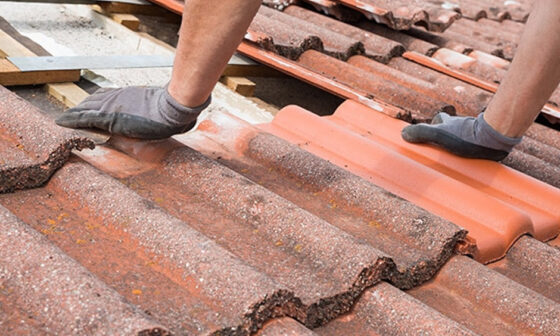
Snow adds weight. Ice forms along the edges. If shingles are loose or flashing is cracked, water will find its way inside. Sometimes you do not notice a problem until you see a stain on the ceiling.
You do not have to climb up there yourself. Even a ground-level inspection can reveal missing shingles or obvious damage. If something looks off, have a professional check it before heavy storms roll through.
Also, make sure your attic has proper insulation and ventilation. Warm air trapped in the attic can melt snow unevenly. That melted water can refreeze and create ice buildup. Preventing that cycle helps protect your roof all season.
Clear Out Gutters Before Ice Builds Up
Your home’s gutter may not seem too important to notice, but a clogged one can cause problems very quickly.
When they fill with leaves and debris, water has nowhere to go. Once it freezes, it creates heavy ice that can push under shingles or pull gutters loose.
Clean them out before temperatures stay below freezing. Run water through them to make sure downspouts drain properly.
It is not the most exciting task, but it protects both your roof and your home’s structure.
Stop Drafts Around Windows and Doors
You know that spot near the window where you always feel colder? That’s not in your head.
Drafts sneak in slowly. You might not notice them until the temperature really drops. Then, suddenly, one side of the room feels uncomfortable, no matter how high you set the thermostat.
Stand near your windows and doors on a cold evening. Move your hand along the edges. If you feel cool air, it’s time to fix it. Replace worn weatherstripping. Add fresh caulk where you see cracks. Check the bottom of exterior doors, too. A thin gap under the door can let in more cold air than you expect.
These are small fixes. Most do not cost much. But once you seal those gaps, you will notice the difference almost immediately.
Check Smoke and Carbon Monoxide Detectors
Winter means heaters run longer. Fireplaces get used more often. Some people bring out space heaters they haven’t touched in months. That’s exactly why this check matters now.
Press the test button on every smoke detector. Don’t assume it works. Listen for a strong, clear alarm. If it sounds weak or delayed, change the batteries. If it keeps chirping, don’t ignore it.
Carbon monoxide detectors deserve the same attention. You can’t see carbon monoxide. You can’t smell it. The alarm is your only warning. Make sure you have one near sleeping areas and on each level of your home.
It takes less than ten minutes to check everything. That’s ten minutes well spent.
Get Your Fireplace and Chimney Checked
There’s nothing better than a fire going on a freezing night. But fireplaces need maintenance.
If you haven’t had your chimney cleaned in a while, schedule it. Creosote builds up over time, and that buildup increases fire risk. It’s not something you want to guess about.
Check the damper. Make sure it opens fully before you start a fire. Make sure it closes tightly when you’re done. A stuck damper can let warm air escape all day without you realizing it.
Burn dry wood. Wet wood creates more smoke and more residue inside the chimney. Keep the area around the fireplace clear. It sounds obvious, but clutter near open flames causes problems every year.
A fireplace should add comfort, not stress. A quick check keeps it that way.
Winter problems rarely start big. They start small and grow when no one is paying attention. A loose shingle. A tiny crack. An uninsulated pipe.
Taking time now to handle these areas makes a real difference. You are not just preparing your house. You are giving yourself fewer surprises when the temperature drops and the storms roll in. And that peace of mind is worth the effort.