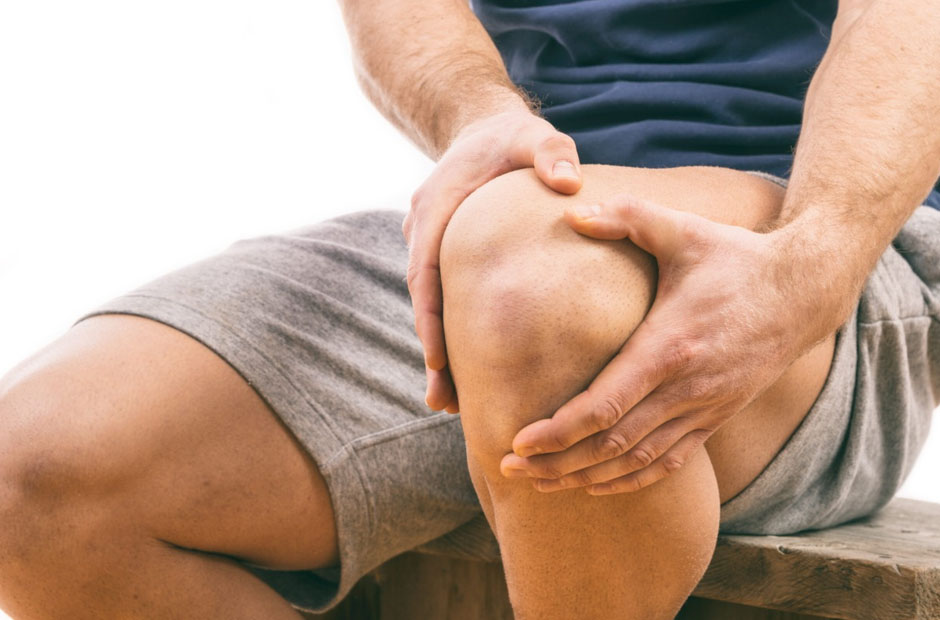
There is something comforting about watching someone move with ease, whether it’s a morning jog, a gentle stretch after waking up, or simply walking up the stairs without stiffness. We often take these simple movements for granted until our joints start to ache, reminding us how important they are in our daily lives.
Joint discomfort doesn’t just affect older adults. In fact, many people in their 20s and 30s are already noticing early signs of strain, whether from long hours at a desk, intense workouts, or poor posture. Protecting the joints before pain begins is one of the smartest health decisions a person can make.
Orthopaedic specialists often remind their patients that small, consistent habits create the greatest long term impact. Regular movement, a balanced diet, and mindful body mechanics can help support joint health for many years. Visiting an orthopaedic specialist clinic for personalised guidance can also help individuals identify which daily habits best suit their lifestyle and body type.
Move with Intention Every Day
Every movement, from climbing stairs to picking up a bag, impacts the joints. How we move determines whether that impact protects or wears them down over time.
Gentle Movement Builds Strength
Many people believe protecting their joints means limiting physical activity, but the opposite is true. Regular, low impact exercise helps strengthen the muscles that support the joints, easing the strain that causes pain and inflammation.
Simple activities like swimming, yoga, or brisk walking help keep joints flexible and well lubricated. These gentle movements also improve circulation and reduce stiffness, especially for people who spend long hours sitting. For those just starting, even shortdaily walks can already make a big difference.
Posture Shapes Long-Term Comfort
Posture is more than just sitting up straight. It’s about how the body stays aligned during both movement and rest. Poor posture can place pressure on certain joints, leading to pain in areas such as the neck, shoulders, and knees.
Making a conscious effort to maintain proper posture, whether working at a computer or standing in line, helps distribute weight evenly across the body. Small habits like adjusting chair height, keeping feet flat on the floor, or taking short breaks to stand and stretch can significantly reduce strain over time.
Balance Prevents Overuse
Overusing certain muscles or joints can cause unnecessary strain and gradual wear. Alternating between different exercises and activities helps distribute the body’s workload more evenly. That’s why fitness trainers often emphasize balance, mixing cardio, strength, and flexibility routines to give the joints a rest while keeping overall mobility strong.
Even in simple daily tasks, alternating hands while carrying items or shifting positions while working can prevent repetitive joint stress. The key is to listen to your body. When discomfort appears, it’s often a signal to slow down, stretch, or modify movement before pain becomes chronic.
Nourish the Body from Within
Nutrition plays an important role in joint protection. The right foods can reduce inflammation, support cartilage health, and provide the energy needed to stay active.
The Role of Hydration
Water keeps the body’s systems functioning smoothly, including the joints. Cartilage, the soft tissue that cushions bones, consists primarily of water. Without enough hydration, cartilage can lose elasticity, leading to stiffness and discomfort.
Staying hydrated throughout the day naturally supports joint flexibility. For those who find it difficult to drink plain water, adding slices of fruit or herbal infusions can make the habit easier and more enjoyable to maintain.
What You Eat Matters
Some foods have natural anti inflammatory properties that can protect the joints. Fatty fish rich in omega 3, leafy greens, nuts, and berries all contribute to reducing inflammation. Meanwhile, processed foods or those high in sugar and saturated fats may increase inflammation, which can worsen joint pain over time.
Developing a balanced diet doesn’t mean giving up favorite dishes completely. It’s about moderation and consistency. Choosing wholesome ingredients and avoiding excess helps the body repair and protect itself more effectively.
Rest and Recovery
Rest is often overlooked, yet it is one of the most essential parts of joint care. Joints and muscles need time to recover from daily stress, and quality sleep helps the body repair tissues overnight.
Establishing a bedtime routine, stretching lightly before sleep, or using a comfortable mattress that supports proper alignment can ease pressure points and prevent morning stiffness. Listening to the body’s signals and allowing rest after intense physical activity helps protect joints from overuse injuries.
A Life of Careful Movement
Protecting the joints doesn’t require drastic changes, it begins with awareness of daily habits. How we move, sit, eat, and rest throughout the day deeply influences joint health. The goal isn’t perfection but consistent care.
Those who take time each day to stretch, stay active, and eat thoughtfully often find they move with more ease and confidence. For persistent joint discomfort, consulting a specialist ensures that small habits are supported by proper medical guidance.
Staying mindful of daily choices allows the body to remain strong and flexible, supporting a life filled with movement, comfort, and balance. Joints are built to move, and through simple, daily habits, anyone can keep them moving well for years to come.