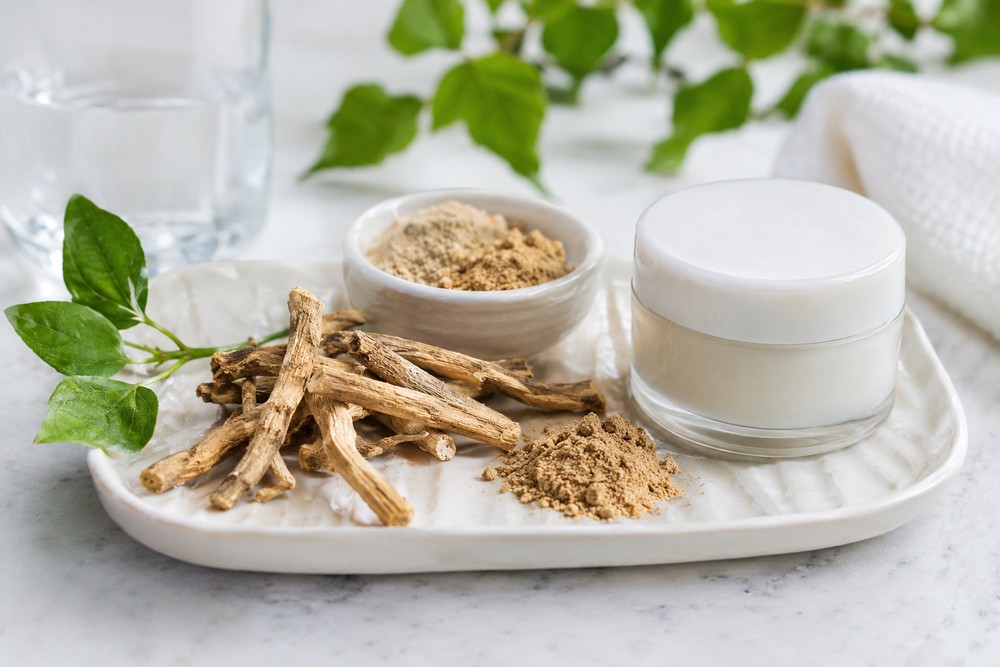
Ashwagandha is a revered natural herb extensively recognised for its wide-ranging medicinal properties, especially in the practice of Ayurveda. Traditionally famed for its ability to alleviate stress and boost vitality, this powerful adaptogen has increasingly gained attention for its remarkable effectiveness in promoting skin health. In recent years, scientific studies and anecdotal evidence alike have brought to light the multitude of ashwagandha benefits for skin, confirming its role as a potent ingredient in achieving a healthier, more resilient, and radiant complexion. This article delves deep into the numerous advantages of ashwagandha for skin, highlighting the mechanisms behind its effects and practical ways to incorporate it into skincare routines.
Understanding Ashwagandha: An Adaptogenic Powerhouse
Ashwagandha, scientifically known as Withania somnifera, is a revered adaptogen traditionally utilised in Ayurvedic medicine to help the body resist physiological and psychological stress. Adaptogens like ashwagandha work by modulating the body’s stress response, helping to maintain hormonal balance and promote overall wellbeing. The herb is rich in bioactive compounds, notably withanolides, alkaloids, and sitoindosides, which exhibit potent antioxidant, anti-inflammatory, and rejuvenating properties.
Though often consumed as a supplement for its systemic benefits, ashwagandha has shown significant promise when applied directly to the skin or taken orally with skin health in mind. Its unique combination of properties targets multiple pathways involved in skin ageing, irritation, hydration, and cellular renewal, thereby laying the foundation for optimal dermal health.
Reduces Inflammation and Soothes Irritated Skin
Inflammation is a prominent cause of many skin concerns, ranging from redness and swelling to chronic conditions such as eczema, psoriasis, and rosacea. Ashwagandha’s anti-inflammatory agents help reduce the production of pro-inflammatory cytokines and mediators that trigger skin irritation. The herb’s calming influence helps soothe inflamed areas, restoring balance and comfort.
By mitigating inflammation, ashwagandha not only eases acute irritations but also supports the skin’s long-term resilience against various environmental and internal stressors. Studies suggest that its consistent use can achieve significant improvements in skin tranquillity and overall texture, making it an excellent choice for sensitive and reactive skin types.
Powerful Antioxidant Protection Against Premature Ageing
One of the leading factors contributing to skin ageing is oxidative stress, a process where unstable free radicals damage skin cells, collagen fibres, and elastin, leading to wrinkles, fine lines, and loss of firmness. Ashwagandha is equipped with robust antioxidant properties that neutralise these harmful free radicals effectively.
The antioxidants in ashwagandha, chiefly the withanolides, boost the regeneration of skin cells and protect the skin’s connective tissue. This defence mechanism slows down the visible signs of ageing, maintaining youthful elasticity and radiance. Incorporating ashwagandha into daily skin care or wellness routines has been shown to promote skin longevity and counteract photoaging caused by UV radiation.
Enhances Hydration and Supports Skin Barrier Function
A well-hydrated skin barrier is critical for maintaining elasticity, smoothness, and protection against external aggressors. Ashwagandha contributes to skin hydration by supporting the skin’s natural moisture retention mechanisms. Its active constituents help enhance barrier properties, preventing transepidermal water loss, and thus reducing dryness, flakiness, and dullness.
Regular use of ashwagandha—whether topically or orally—can stimulate the production of natural oils and ceramides, which are essential for maintaining supple and glowing skin. This hydrating effect makes it particularly beneficial for individuals experiencing dry or dehydrated skin.
Improves Skin Texture Through Cellular Regeneration
The restoration and renewal of skin cells are vital for maintaining a smooth and healthy complexion. Ashwagandha promotes cellular regeneration and repair, encouraging the shedding of dead skin cells and the formation of new, vibrant skin layers. This process improves skin texture over time, resulting in a softer, more refined appearance.
Ashwagandha’s ability to stimulate the skin’s natural regenerative processes makes it a valuable component in anti-ageing and revitalising skincare formulations. Using products containing this herb, or incorporating it as a dietary supplement, can enhance the skin’s regenerative capacity, helping to reduce roughness and unevenness that accompany ageing or damaged skin.
Stress Reduction and Its Impact on Skin Health
The relationship between stress and skin health is deeply intertwined. Chronic stress is known to exacerbate several skin problems, including acne, eczema, psoriasis, and premature ageing, largely by increasing cortisol and other stress hormones that disrupt skin homeostasis. Ashwagandha’s adaptogenic qualities help regulate cortisol levels, supporting hormonal balance and reducing the physiological impact of stress.
By managing stress effectively, ashwagandha helps to prevent stress-induced skin flare-ups, such as acne breakouts and inflammation. This holistic role extends beyond superficial treatment to addressing root causes, enhancing not only skin condition but also overall physical and emotional wellbeing.
Supports Collagen Production for Firm and Elastic Skin
Collagen is the most abundant protein in the skin, responsible for its structure, strength, and elasticity. With age and exposure to environmental factors, collagen production naturally declines, leading to sagging skin and wrinkles. Ashwagandha has been found to stimulate collagen synthesis, encouraging cells known as fibroblasts to create new collagen fibres effectively.
Enhancing collagen levels improves skin firmness, reduces sagging, and enhances resilience against mechanical stress. This property makes ashwagandha an excellent anti-ageing agent worthy of inclusion in formulations designed to maintain skin density and youthful contour.
Protective Effects Against Environmental Damage
Daily exposure to environmental pollutants, UV radiation, and toxins poses serious challenges to skin health. These external aggressors accelerate ageing and cause cellular damage. Ashwagandha forms a natural protective barrier by harnessing its combined antioxidant and anti-inflammatory effects to shield the skin from this damage.
By reducing oxidative stress and reinforcing cellular defences, ashwagandha aids in minimising photoaging, pigmentation disorders, and loss of skin vitality caused by pollution and sunlight. This protective role complements other sun and pollution defence measures, contributing to overall dermal health.
Helps Manage Acne Through Anti-inflammatory and Antibacterial Action
Acne is a multifaceted skin condition often attributed to excess sebum, clogged pores, bacterial colonisation, and inflammation. Ashwagandha addresses these factors through its anti-inflammatory and antibacterial properties. It calms inflamed skin while inhibiting the growth of acne-causing bacteria such as Propionibacterium acnes.
This dual action can reduce the frequency and severity of breakouts, promoting clearer and healthier skin. Additionally, ashwagandha’s hormetic effect on stress hormones can prevent stress-related acne flare-ups, offering a comprehensive approach to acne management.
Balances Skin Pigmentation for an Even Complexion
Uneven pigmentation, hyperpigmentation, and dark spots are common challenges often resulting from excessive sun exposure, hormonal changes, or inflammatory responses. Ashwagandha has demonstrated potential in modulating melanin production, which affects skin colour and pigment distribution.
Consistent use of ashwagandha may contribute to the reduction of hyperpigmentation, leading to a more balanced and even skin tone. Its ability to regulate melanogenesis makes it a promising option for individuals seeking to address pigmentation irregularities naturally.
Safe and Suitable for Various Skin Types
A significant advantage of ashwagandha lies in its gentle yet effective nature, making it suitable for a broad range of skin types, including sensitive and reactive skin. Unlike many synthetic compounds, its natural origin and balanced chemical profile reduce the likelihood of adverse reactions, irritation, or sensitisation.
As such, ashwagandha is increasingly used in skincare products formulated for sensitive skin or those prone to redness and inflammation. Its capacity to calm and nourish the skin further renders it an inclusive ingredient, appealing to users seeking natural and holistic skincare options.
Forms and Application of Ashwagandha for Skin
Ashwagandha is available in various formats, allowing flexibility in how it is incorporated for skin benefits. These include oral supplements such as capsules or powders, as well as topical applications in the form of creams, serums, and oils.
Topical products deliver ashwagandha’s bioactive compounds directly to the skin, providing targeted antioxidant and anti-inflammatory effects. Oral supplementation supports skin health from within by improving systemic balance and skin regeneration. Combining both topical and oral methods can optimise skin revitalisation and sustain long-lasting results.
When selecting ashwagandha-based products, it is important to consider factors such as concentration, formulation purity, and compatibility with individual skin types to maximise efficacy and minimise potential sensitivities.
Scientific Research Supporting Ashwagandha’s Skin Benefits
Contemporary scientific research increasingly validates the traditional claims surrounding ashwagandha’s skin benefits. Studies have demonstrated that ashwagandha extracts enhance skin hydration, reduce inflammation, and protect against oxidative damage. In vitro and clinical investigations support its role in promoting collagen synthesis, reducing pigmentation, and alleviating inflammatory skin conditions.
Ongoing clinical trials continue to explore the extent of ashwagandha’s dermatological applications, shedding light on its molecular mechanisms and expanding its potential in anti-ageing therapies and skin disease management. This growing body of evidence strengthens its position as a valuable natural ingredient in modern skincare science.
Incorporating Ashwagandha into a Skincare Routine
For individuals interested in harnessing the skin benefits of ashwagandha, integrating it into daily skincare and wellness regimens can be highly effective. Topical application through creams and serums allows for concentrated delivery of active ingredients, ideal for addressing specific skin concerns such as dryness, inflammation, or pigmentation.
Simultaneously, taking ashwagandha orally as a supplement supports skin health at the systemic level by enhancing hormonal balance, reducing stress, and boosting overall physiological function. This dual approach tends to offer the most comprehensive results.
It is advisable to consult with healthcare professionals or skincare experts before beginning supplementation or adding new topical products, especially for individuals with pre-existing health conditions or sensitive skin types. Experts can provide tailored recommendations for appropriate dosage, product selection, and use frequency to ensure safety and maximize benefits.
Conclusion
The ashwagandha benefits for skin are profound and multifaceted, supported by centuries of traditional use and an expanding body of scientific research. This remarkable herb’s anti-inflammatory, antioxidant, hydrating, and regenerative properties collectively contribute to healthier, more youthful, and resilient skin. Moreover, its role in stress regulation and collagen production addresses both the internal and external factors affecting skin health.
As modern skincare embraces holistic and natural solutions, ashwagandha stands out as a versatile, gentle, and effective ingredient to combat ageing signs, manage skin conditions, and enhance overall skin vitality. Whether used topically or as a supplement, incorporating ashwagandha into skincare regimens offers a promising, scientifically backed, and natural approach for those seeking radiant and balanced skin.