Manufacturing leaders are under pressure from every direction. Compliance requirements are tightening, supply chains remain volatile and sustainability reporting has moved from a future consideration to an everyday governance responsibility.
This is where SAP for manufacturing becomes a strategic lever but as the operational backbone that connects finance, production, procurement and compliance in one intelligent system.
Let’s break down how ERP works in manufacturing and why it matters at the board level.
What Is ERP and Why Does It Matter in Manufacturing?
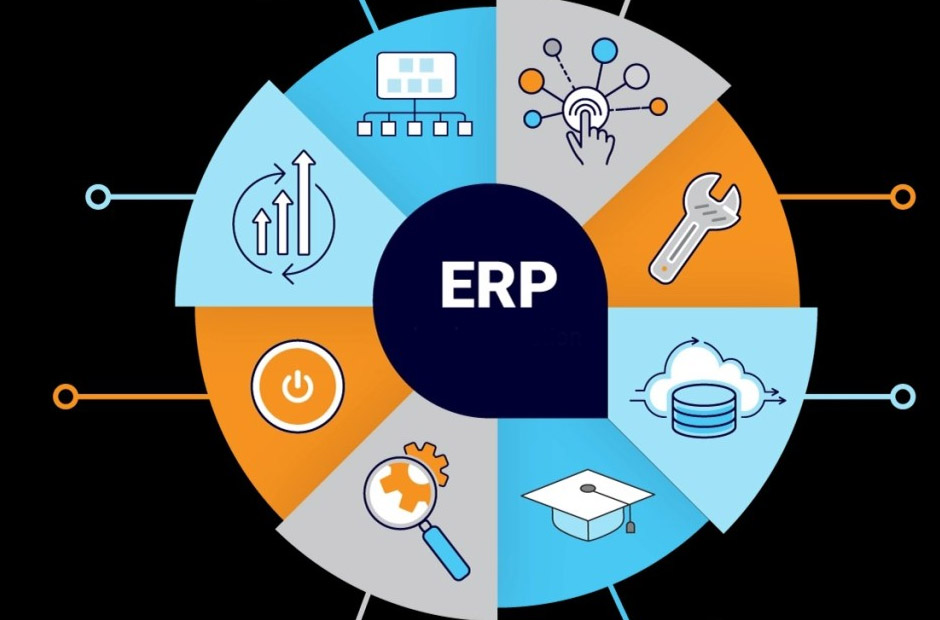
Enterprise Resource Planning (ERP) is a single platform that connects your core business processes. It replaces isolated systems with one integrated environment.
Manufacturing operations are inherently complex. Leaders must manage:
- Raw materials and supplier relationships
- Production schedules and plant capacity
- Inventory across multiple sites
- Quality control processes
- Regulatory reporting obligations
- Financial performance
When these areas operate in silos, inefficiencies are almost inevitable. Information becomes fragmented and decision making slows down.
ERP brings these areas together.
Instead of gathering reports from several departments, leadership teams can see how the organisation is performing through one set of connected data. Finance teams can track production costs as they occur. Operations teams can see procurement timelines instantly. Executives can assess performance across the value chain without waiting for monthly reporting cycles.
For organisations operating in complex supply chains like manufacuring, this visibility changes how decisions are made. The focus shifts from reacting to problems to managing performance more deliberately.
How Does ERP Work in a Manufacturing Environment?
ERP works by centralising data and automating workflows across the organisation. Every transaction feeds into the same system. This shared structure means departments no longer maintain separate versions of the same information.
How does data flow across the organisation?
When activity takes place, it updates all relevant areas automatically. There is no duplication and no need for manual reconciliation.
For example:
- A purchase order updates inventory projections
- A production run records material consumption
- A shipment updates revenue and cost of sales
- A financial posting reflects the transaction immediately
Executives access role based dashboards that present the information most relevant to their responsibilities. Operations leaders monitor plant capacity. CFOs review margin performance. CIOs oversee system governance and controls.
This creates a shared operational picture across the organisation.
What happens from order to production?
A typical ERP workflow in manufacturing follows a structured sequence:
- A customer order enters the system
- Materials Requirements Planning calculates what materials are needed
- Procurement generates supplier orders where required
- Production schedules adjust according to capacity and demand
- Inventory updates in real time as materials are consumed
- Financial records capture revenue, costs and margin instantly
Each step feeds data into the same environment, creating consistent information across the business.
Why SAP for the Manufacturing Industry?
Manufacturing organisations require ERP systems that support scale, operational complexity and strong governance.
SAP for manufacturing delivers that at an enterprise scale. Built on modern architecture. Solutions such as SAP Cloud ERP (S/4HANA) Public support:
- Real time analytics across operations
- Embedded compliance and audit controls
- Global scalability across plants and regions
- Advanced planning and forecasting
- Sustainability tracking and reporting
Technology, however, is only one part of a successful ERP project. The real challenge often sits earlier in the process. Organisations must decide how systems should support their operating model, how processes should evolve and what outcomes the transformation needs to deliver.
This is where our Strategic Advisory work comes into play. Through our strategic advisory services, we help organisations define the role ERP should play within their wider business strategy, assess the current technology landscape and establish a clear roadmap for change.
From there, our SAP services support enable the delivery of that roadmap. The aim is not simply to introduce a new system but to ensure the platform supports operational control, regulatory requirements and long term decision making across the manufacturing environment.
How Does ERP Improve Compliance and Risk Management?
Manufacturers face increasing regulatory scrutiny across several areas. These include:
- Financial reporting standards.
- Environmental regulations.
- Safety and quality requirements.
- Industry specific audit obligations.
Manual processes make compliance difficult to manage consistently. ERP systems reduce this risk by introducing structured controls.
SAP-based ERP systems support:
- Automated regulatory reporting.
- Detailed and built-in audit trails.
- Role-based access control.
- Full traceability of materials and transactions.
- Consistent data governance.
When regulators or auditors request information, it can be retrieved directly from the system rather than assembled manually. For CIOs and COOs, this improves governance and reduces operational risk.
How Does ERP Reduce Operational Inefficiency and Cost Pressure?
Cost pressure remains one of the most persistent challenges for manufacturing leadership teams. ERP helps address this by improving visibility and coordination across the organisation.
It enables:
- Accurate demand forecasting
- Optimised production scheduling
- Reduced excess inventory
- Stronger supplier coordination
- Real time margin analysis
When finance, procurement and operations work from the same data, decisions can be made with greater confidence.
For example:
| Without ERP | With ERP |
| Manual reporting delays | Real time operational dashboards |
| Frequent stock shortages | Predictive inventory planning |
| Disconnected cost tracking | Integrated margin visibility |
| Reactive decision making | Data driven forecasting |
These improvements translate into measurable outcomes such as lower working capital requirements, more reliable delivery performance and improved margin management.
How Should Leaders Approach an ERP Transformation
Successful ERP programmes begin with clarity of purpose. Leadership alignment is essential before any technology decisions are made.
A structured approach typically includes:
- Defining the business outcomes required
- Assessing existing systems and data quality
- Aligning finance, operations and IT stakeholders
- Selecting an implementation partner with industry expertise
- Planning beyond go live to support continuous improvement
ERP should not be viewed as a technical replacement project. It represents a shift in how the organisation operates and how decisions are supported by data.
Closing Thought
Manufacturing today demands clarity, control and the ability to act quickly in uncertain conditions. Disconnected systems limit that ability. Integrated ERP strengthens it.
SAP for manufacturing is not just a technology investment. It is a strategic foundation manufacturing operations. It connects processes, aligns data and allows leadership teams to act on reliable information.
The real value comes from alignment. When systems, teams and strategy operate from the same foundation, organisations gain stronger control over performance and risk.
Transformation will continue to reshape manufacturing. The organisations that thrive will be those with the right foundation in place to support it.