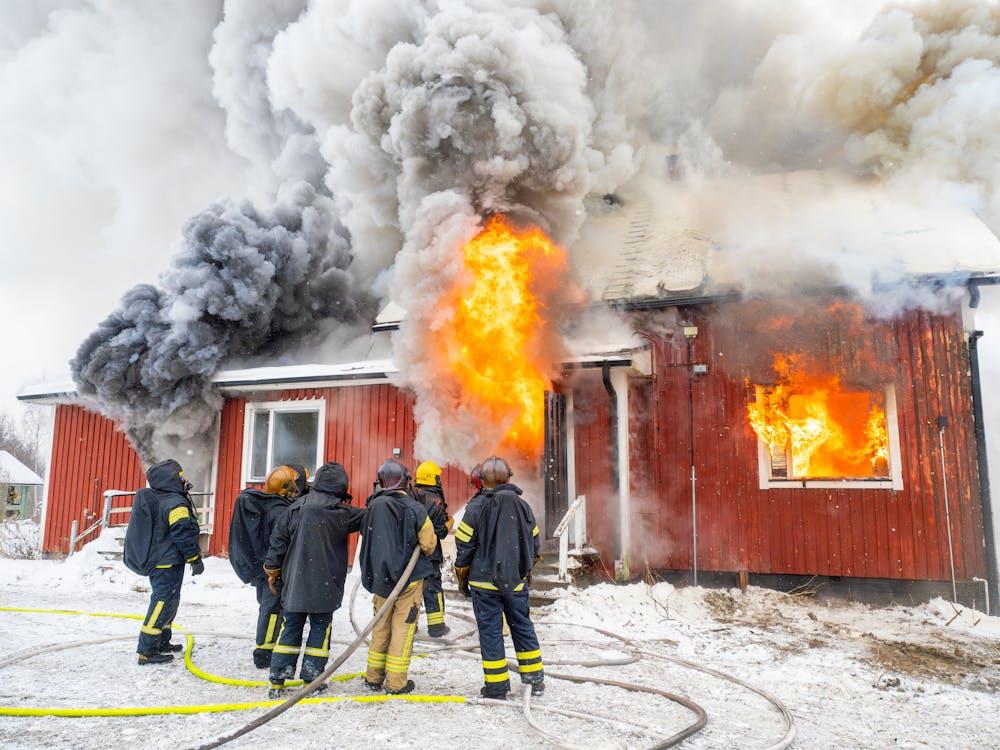
Have you ever imagined stepping outside your home and realizing everything inside might be gone? It is a frightening thought, but one that thousands of Americans face every year as wildfires, faulty wiring, and extreme weather events grow more common. Knowing what to do in those first hours can make the difference between chaos and recovery. This guide walks you through the immediate steps, with practical advice grounded in real-world situations.
Get to Safety and Stay There
Right after a fire, your priority is not your belongings but your safety. Even if flames are out, the structure may be unstable, and hidden embers can reignite. Smoke inhalation and weakened floors pose serious risks, so avoid re-entering until officials confirm it is safe.
Once outside, account for everyone in your household, including pets. Call 911 if you have not already, and move to a safe distance from the property. It might feel unnatural to stand back while your home smolders, but staying clear protects you from injury and allows firefighters to do their job effectively.
Contact Emergency Support and Begin Recovery
After firefighters leave, the next phase begins quickly. You may feel overwhelmed, but early action helps prevent further damage from smoke, water, and exposure. Many homeowners turn to emergency services mitigation & restoration providers who secure the property, remove debris, and start drying out affected areas.
These professionals can board up windows, tarp roofs, and stabilize what remains, which reduces long-term costs. Given the rise in climate-driven disasters across the U.S., these services are increasingly in demand, so contacting them early improves your chances of faster response. At the same time, reach out to your insurance company to start your claim and document every conversation carefully.
Secure Temporary Shelter
Once the immediate danger passes, you will need a place to stay. If the damage is severe, your home may not be livable for weeks or even months. Insurance policies often cover temporary housing, but you should confirm details before booking anything.
Consider staying with family or friends first if possible, as it provides emotional support during a stressful time. If that is not an option, hotels or short-term rentals can work, but keep all receipts. In recent years, disasters have strained housing availability, so acting quickly can save both money and frustration.
Document Everything Thoroughly
In the aftermath of a fire, details matter more than you might expect. Before cleanup begins, take clear photos and videos of all damaged areas, including structural damage, furniture, and personal belongings. This documentation supports your insurance claim and reduces disputes later.
Write down a list of lost items with approximate values, even if it feels tedious. Many homeowners underestimate how much they owned until they try to list it. Digital records, such as receipts or photos stored in the cloud, can be especially helpful now. Treat this process like building a case, because in many ways, that is exactly what you are doing.
Notify Your Insurance Company Immediately
Time plays a crucial role when filing insurance claims. Contact your insurer as soon as possible to report the fire and begin the claims process. Provide basic details first, then follow up with documentation as you gather it.
Ask specific questions about coverage limits, deductibles, and timelines. Insurance policies can be confusing, and recent large-scale disasters have shown how delays and misunderstandings can slow recovery. Keeping a record of every call, email, and adjuster visit ensures you have a clear trail if issues arise.
Protect What Remains of Your Property
Even after the fire is out, your home remains vulnerable. Broken windows, damaged roofs, and exposed interiors invite weather damage, theft, and pests. Taking steps to secure the property helps preserve what can still be saved.
If professionals are not immediately available, you can take basic measures such as covering openings with plywood or tarps. Remove valuable items if it is safe to do so, and avoid leaving the site unattended for long periods. In today’s environment, where rebuilding costs continue to climb, protecting remaining assets is more important than ever.
Stay Organized With a Recovery Checklist
Keeping track of tasks after a house fire can quickly become overwhelming, especially when emotions are still running high and multiple agencies are involved. Creating a simple checklist helps you stay focused and ensures nothing important slips through the cracks during recovery.
Include key actions such as contacting utilities, forwarding mail, replacing essential documents, and scheduling inspections. Many homeowners find it helpful to keep a dedicated notebook or digital folder for receipts, contacts, and timelines. In a situation where so much feels out of control, staying organized gives you a sense of direction and helps you move forward with confidence.
Take Care of Your Health and Well-Being
The physical effects of a fire are obvious, but the emotional impact often lingers longer. Smoke exposure can cause respiratory issues, so seek medical attention if you experience coughing, dizziness, or irritation. Even minor symptoms should not be ignored.
Emotionally, the experience can feel disorienting. Losing a home disrupts routines and creates uncertainty. Talking to friends, family, or counselors can help you process what happened. As communities across the country face increasing disasters, mental health support is becoming a critical part of recovery, not just an afterthought.
Plan Your Next Steps Thoughtfully
Once the immediate crisis settles, you will begin thinking about rebuilding or relocating. This stage requires careful decisions about contractors, timelines, and finances. Avoid rushing into agreements without reviewing credentials and estimates thoroughly.
Consider how broader trends, like rising construction costs and stricter building codes, may affect your plans. Some homeowners choose to rebuild with fire-resistant materials or updated layouts that improve safety. While the process can be long, taking a thoughtful approach now can create a more secure and resilient home for the future.
Recovering from a house fire is not just about replacing what was lost but about navigating a complex process with clarity and patience. By focusing on safety, documentation, and informed decisions, you can move from shock toward stability, one step at a time.