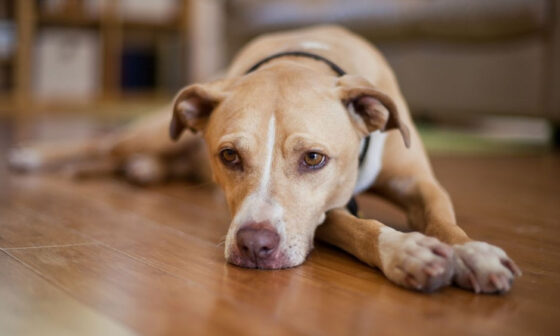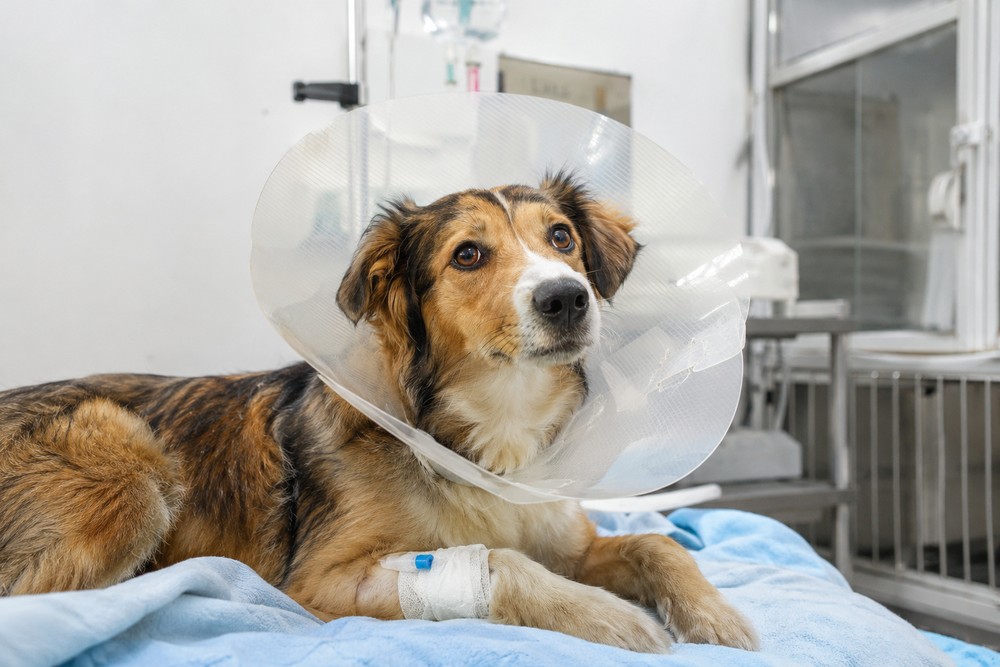
You do not stop worrying when your pet’s surgery ends. In many cases, that is when the hardest part starts. You are watching for every small change, wondering if that limp is normal, if the incision looks right, if your pet is in pain, and if one bad night could undo everything. That stress is real, and it gets heavier when recovery does not go exactly as planned. That is why compassionate veterinary care in Roanoke, VA can make such a meaningful difference during recovery.
This is why animal hospitals matter so much after surgery. The operation is only one part of healing. Recovery takes pain control, wound monitoring, rehab support, emergency backup, and people who know how to respond fast if something shifts. Veterinary hospitals for post surgical care give your pet a level of oversight that home care alone cannot match.
Animal Hospitals Support Recovery Beyond the Operating Room
Surgery puts stress on the body even when the procedure goes well. Tissues need time to heal. Swelling has to come down. Pain has to stay controlled enough for your pet to rest but not so sedated that other problems get missed. Eating, hydration, bathroom habits, and mobility all need attention. If your pet has a complication, timing matters.
An animal hospital is built for that stretch of time when things can still change quickly. A team can track recovery markers, adjust medications, check bandages, clean incisions, and spot warning signs before they turn into a crisis. Cornell’s soft tissue surgery service reflects how much detail goes into surgical care before, during, and after the procedure. That level of follow through is often what protects the outcome you already paid for, hoped for, and put your pet through.
You might be thinking that rest at home should be enough if the surgery was routine. Sometimes it is. Sometimes it is not. A dog can tear at sutures at 2 a.m. A cat can stop eating and hide pain until the problem is advanced. A pet recovering from abdominal surgery can look quiet when the real issue is building under the surface. The risk is not always dramatic at first, which is why post operative care for pets needs trained eyes.
Complications After Surgery Can Escalate Fast
The first days after surgery carry the most uncertainty. Bleeding, infection, poor pain control, delayed waking from anesthesia, breathing changes, vomiting, and limited mobility can all interfere with healing. Some pets also have age related issues, heart disease, diabetes, or breed specific risks that make recovery less predictable.
That is where an animal hospital becomes indispensable instead of optional. If your pet needs oxygen support, IV fluids, stronger pain relief, imaging, or immediate recheck by a surgeon, the system is already in place. Cornell’s emergency and critical care team shows why emergency support matters during recovery. Problems rarely wait for business hours, and waiting too long can turn a manageable setback into another surgery or a longer hospital stay.
There is also the emotional side. When you are scared, every instruction can blur together. You may be trying to keep a cone on a determined dog, give medications on schedule, stop jumping, track bowel movements, and still go to work. That is a lot. A hospital team can steady the process by giving clear benchmarks, checking progress, and stepping in when home recovery stops being safe.
Rehabilitation in an Animal Hospital Helps Pets Regain Function
Healing is not only about closing an incision. It is also about getting your pet back to walking, climbing stairs, playing, and living without avoidable pain. Pets recovering from orthopedic procedures, soft tissue surgery, or neurologic issues often need controlled movement, muscle support, and a rehab plan that changes as they improve.
Cornell’s sports medicine and rehabilitation service shows how structured rehab can support recovery after surgery. This can include guided exercise, pain management, mobility work, and monitoring that helps prevent overuse or re injury. Without that support, a pet may heal technically, yet still struggle with stiffness, weakness, or poor gait.
Animal hospital recovery care also protects owners from guessing. Too much rest can slow recovery. Too much activity can damage repairs. The right plan sits in the middle, and it changes week by week.
Home Recovery and Hospital Recovery Offer Different Levels of Protection
| Recovery Setting | What It Handles Well | Main Limits |
|---|---|---|
| Home care only | Routine rest, basic medication schedules, quiet observation for low risk cases | Easy to miss subtle complications, limited pain control options, no immediate intervention if symptoms worsen |
| Animal hospital follow up care | Incision checks, medication adjustments, guided recovery plans, professional monitoring | Requires appointments, transport, and added cost |
| Hospital based recovery with emergency access | Rapid response to complications, advanced monitoring, IV support, imaging, critical care if needed | Higher short term expense, may feel stressful for some pets |
| Hospital rehab services | Safer return to movement, better strength and function, reduced risk of setbacks from overactivity | Needs consistency and owner follow through |
The cost question is real. Hospital based recovery can add expense, and no one should pretend otherwise. The harder truth is that unmanaged complications often cost more. A reopened incision, infection, dehydration, or failed repair can lead to repeat visits, more medication, another procedure, and a longer recovery for your pet. Paying for stronger support early can reduce the chance of paying for a bigger problem later.
Clear Steps Help You Protect Your Pet After Surgery
- Ask for a recovery plan in writing. You need medication times, feeding instructions, activity limits, warning signs, and a direct number for urgent concerns. If anything feels vague, ask again before you leave.
- Keep a simple daily log. Track appetite, water intake, bathroom habits, energy level, pain signs, and incision changes. Small patterns matter, and they help the hospital team decide quickly if your pet is healing normally.
- Use hospital support early, not as a last resort. If your pet is panting, not eating, vomiting, crying out, struggling to stand, or bothering the incision, call. Early intervention is often simpler, safer, and less expensive than waiting.
Strong Surgical Recovery Depends on the Right Level of Care
When your pet is healing from surgery, you should not have to rely on guesswork. The reason Why Animal Hospitals Are Indispensable For Surgical Recovery keeps proving true is simple. Recovery is active medical care, not just time passing at home. The right hospital support can catch complications early, manage pain better, and help your pet return to normal life with less risk and less suffering.
If your pet is facing surgery or is already recovering, reach out to a trusted animal hospital and get a clear aftercare plan in place.