A filling appointment sounds simple, but it can still make your stomach drop. Maybe you’ve had a bad experience in the past, or you’re nervous about freezing, drilling, or how much time it will take. Some people also worry they’ll feel judged for needing treatment. The truth is, cavities are common, and getting a filling is one of the most routine things a dentist does. The visit usually moves quickly, and most people say the waiting and worrying felt worse than the actual appointment. When you know what will happen step by step, you can stop imagining the worst and focus on getting the problem fixed. This guide helps you walk in prepared, calm, and ready for a smooth visit.
Early Clues Your Tooth Needs Attention
A cavity doesn’t always show up as sharp pain right away. Many people first notice a mild twinge when they drink something cold, eat something sweet, or bite down on one side. You might also feel a rough spot with your tongue, or notice that one tooth feels “off” when you chew. Sometimes food keeps getting stuck in the same place, or you catch a bad taste that won’t go away. A dental filling helps by removing the decayed part of the tooth and sealing the area so bacteria can’t keep damaging it. It also restores the tooth’s shape, which can make chewing feel normal again. If you feel unsure about booking, understanding the dental filling process can make the visit feel less intimidating and much easier to handle.
Booking the Visit Without Stressing Yourself Out
Choosing the right appointment time can make a big difference in how you feel. If you tend to feel anxious, many people find mornings easier because they haven’t spent all day thinking about it. When you call to book, ask how long the visit may take so you can plan your day without rushing. If you have dental anxiety, say it out loud. You don’t need to explain your whole history. Just telling the clinic you feel nervous helps them support you better. You can also ask if the dentist does one filling at a time or can handle more in one visit. A clear plan makes the whole appointment feel more manageable.
What to Eat and Avoid Before You Leave Home
Try to eat a normal meal about one to two hours before your appointment, especially if you’re getting freezing. After a filling, your mouth can stay numb for a while, and eating can feel awkward. Choose something filling but not messy, like eggs, oatmeal, rice, or a sandwich that isn’t too hard to chew. Skip sticky foods that cling to your teeth and avoid anything that might irritate your tooth, like very cold drinks. If coffee makes you jittery, consider holding off until after your visit, since caffeine can make nervous feelings stronger. Brush your teeth before leaving, but don’t overdo it. A clean mouth is enough.
The Quick Check That Sets the Plan
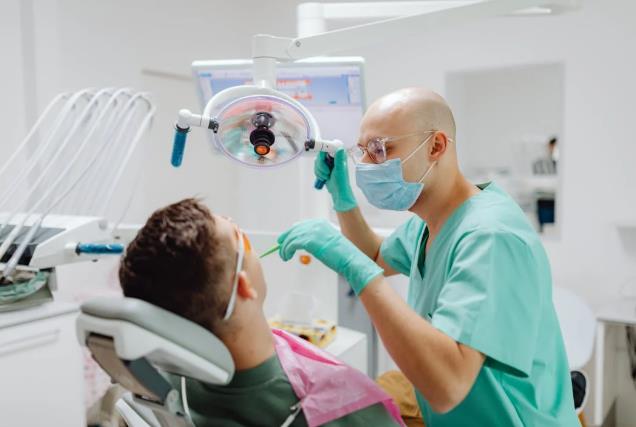
Before the dentist starts, they will take a close look at your tooth and confirm exactly where the decay or damage sits. If you had X-rays done recently, they may review them to check how deep the cavity is and whether it’s close to the nerve. This step matters because it helps the dentist choose the right treatment and avoid surprises mid-visit. They may also tap the tooth lightly or ask if certain spots feel sensitive. You can use this moment to ask what type of filling they recommend and why. A good dentist will explain it clearly without rushing you. When you understand the plan first, the rest of the visit feels much calmer.
Freezing Done Right and What You’ll Feel
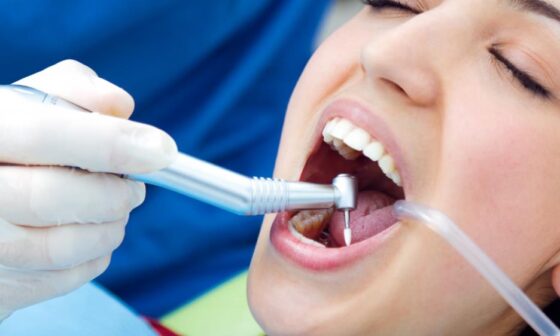
Most fillings need local freezing so you stay comfortable. The dentist or hygienist will usually apply a numbing gel first, then give a small injection near the tooth. You might feel a quick pinch and some pressure, but it should not feel sharp for long. Within a few minutes, your lip, cheek, or tongue may start to feel heavy or tingly. That’s normal. Some people worry they will feel the drill, but freezing blocks pain very well when it’s fully working. If you still feel anything sharp once the dentist starts, raise your hand right away. They can pause and add more freezing. You don’t need to “push through” discomfort. Comfort matters.
The First Hour After Your Filling
Right after the appointment, your mouth may stay numb for one to three hours, depending on the freezing used. Avoid chewing until the feeling returns, since it’s easy to bite your cheek or tongue without noticing. If you need to eat, choose soft foods and chew on the opposite side. Mild soreness around the tooth can happen once the freezing wears off, especially if the cavity was deep. Many people feel fine with over-the-counter pain relief, but you may not need anything at all. It’s also normal to notice some sensitivity to cold for a few days. If your bite feels uneven or too high, call the clinic so they can adjust it.
Keeping Your Filling Strong for Years
A filling can last a long time, but daily habits make a difference. Brush your teeth twice a day and floss every day. Pay attention to the gumline, since plaque often builds up there. Try not to chew ice, hard candies, or popcorn kernels, since these can crack natural teeth and fillings. If you grind your teeth, use a night guard as grinding can wear down fillings faster. Keep up with regular checkups so your dentist can spot early wear, small cracks, or new decay around the edges. The goal is to catch problems early, before you need bigger repairs.
A filling visit doesn’t need to feel scary or complicated. When you know what the dentist will do and how you can prepare, the appointment becomes much easier to handle. The biggest difference comes from small steps like booking at a calm time, asking about cost ahead of time, eating before you go, and speaking up if you feel nervous or uncomfortable. Most fillings take less time than people expect, and the freezing usually works very well. Afterward, simple care like gentle brushing, avoiding hard chewing, and keeping up with checkups helps protect the tooth. If you think you may need a filling, getting it done sooner can save you from more pain and more dental work later.