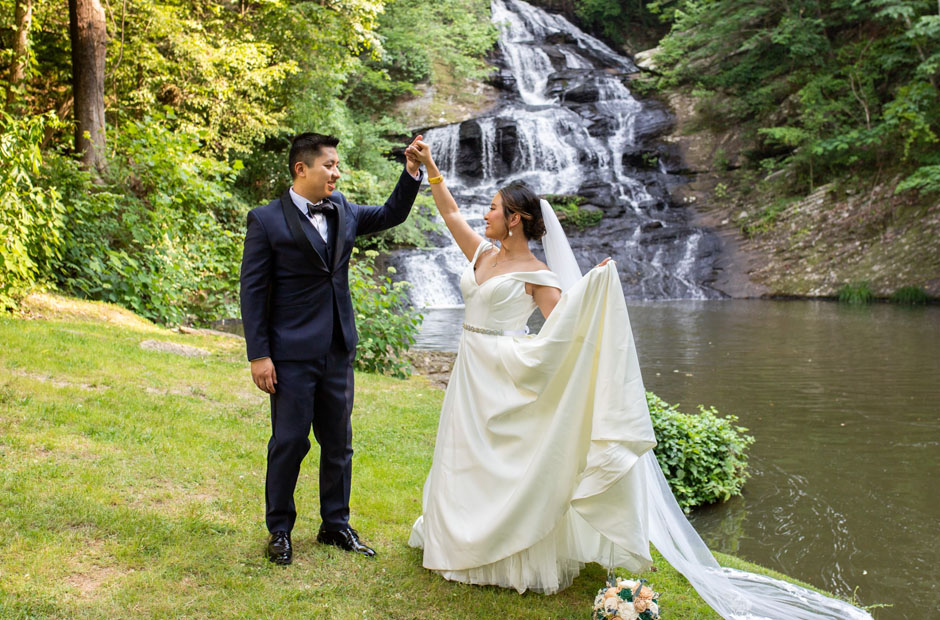
Outdoor ceremonies in Georgia rarely follow a single formula. The state stretches far enough north to south that weather patterns change noticeably between regions. A ceremony plan that works well in the mountains may feel completely different along the coast. Event planners see this quickly when working across multiple counties.
Couples often imagine the setting first. The view, the lighting, and the overall atmosphere shape the early vision. The climate becomes more important later once dates, guest comfort, and logistics enter the discussion. Georgia’s weather does not behave the same way everywhere.
Mountain Regions Cool Down Quickly
North Georgia feels different from the rest of the state, especially in the foothills and mountain towns. Daytime ceremonies can feel warm and pleasant. However, evening temperatures fall faster than people expect.
Outdoor ceremonies scheduled near sunset sometimes require small adjustments. Guests who arrived comfortably during the afternoon may start feeling cool as the evening progresses. Planners often prepare blankets or light layers for that reason.
The change rarely ruins the event.
It simply alters how long guests stay outdoors afterward.
Central Georgia Holds Heat Longer
Areas through the middle of the state tend to stay warm later into the evening. Summer afternoons bring strong sunlight and humidity that lingers well after the ceremony begins. Shade becomes an important part of the setup.
Seating direction, tent coverage, and tree placement start mattering more than decoration. Guests notice immediately when seating sits directly under the sun.
Some ceremonies shift closer to sunset.
The light improves.
The temperature becomes easier for everyone.
Coastal Weather Adds Wind
The southern and coastal regions introduce another factor. Ocean air often creates steady breezes that move across open spaces near the water. Wind sounds pleasant in theory, but it changes how decorations and equipment behave.
Light fabrics move constantly. Paper programs blow across rows of chairs. Audio equipment requires extra securing so microphones stay steady.
The setting feels beautiful.
It also demands preparation.
Storm Timing Changes Planning
Georgia’s warmer months bring sudden afternoon storms. Rain may appear quickly and disappear just as fast. Event planners learn to watch weather patterns closely during those seasons.
Backup plans have become part of normal preparation. Tented spaces or flexible ceremony areas make it easier to adapt if the weather changes.
Couples touring wedding venues in Georgia ask about these options once they begin thinking about guest logistics.
Flexibility becomes part of the venue’s value.
Guest Comfort Shapes the Final Plan
Outdoor ceremonies work best when guests remain comfortable from arrival through the ceremony itself. Heat, wind, and humidity affect attention spans more than most people expect. If guests feel relaxed, the ceremony becomes easier to enjoy.
Experienced planners visit venues at the same time of day the ceremony will happen. That simple step reveals how sunlight moves, how wind crosses the space, and how quickly temperatures change.
The differences across Georgia become clear during those visits.
Climate quietly shapes the entire event experience.