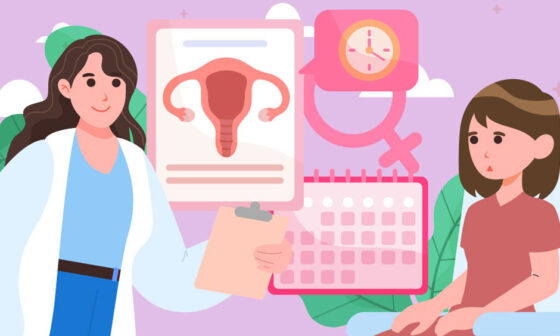
Many people do not think much about their pelvic muscles until they begin to notice discomfort. It might start with a small leak while laughing or sneezing. For some, it becomes a more consistent issue that affects daily comfort and confidence.
The pelvic muscles quietly support many core functions of the body, from bladder control to sexual health. Yet, just like any other group of muscles, they can weaken over time due to various factors such as aging, childbirth, or a sedentary lifestyle.
The good news is that these muscles can be trained and strengthened through simple but consistent effort. Understanding how the pelvic floor works can make a big difference, especially for those dealing with mild forms of overactive bladder or feeling that their core stability is not what it used to be.
Understanding the Role of Pelvic Muscles
The pelvic muscles act like a sling that supports the bladder, uterus, and bowel. When they weaken, the control over these organs can lessen, leading to discomfort or minor leakage. Strengthening them improves stability and helps reduce the risk of future problems.
How Pelvic Muscles Affect Daily Life
When the pelvic floor is strong, it supports not only the bladder but also posture and lower back health. However, simple habits like standing for long hours, lifting heavy objects incorrectly, or not exercising the core regularly can cause these muscles to gradually lose strength. Daily routines such as coughing, sneezing, or even running can increase strain, making the muscles more vulnerable.
Recognizing the Signs of Weakness
It’s often easy to overlook early signs of pelvic weakness. A small leak during exercise, a dull ache in the lower abdomen, or pressure in the pelvic region are all subtle ways the body signals that it needs care. These signs can appear at any age, not just after childbirth or menopause. Acknowledging them early gives individuals a better chance to rebuild strength effectively.
Knowing Why Strength Matters
A strong pelvic floor improves one’s overall quality of life. It helps manage bladder movements, supports posture, and even enhances balance. These muscles also play a role in sexual function, which is often overlooked in discussions about pelvic health. Building strength can lead to improved confidence, better body awareness, and a greater sense of stability in everyday life.
Easy Steps to Rebuild Pelvic Strength
Consistency is more important than intensity when it comes to pelvic exercises. These movements may seem subtle, but they can bring significant change when done correctly and regularly.
Practicing Kegel Exercises
Kegels are among the most recommended exercises for strengthening the pelvic floor. They can be done discreetly, anywhere and at any time. The key is to identify the right muscles, which is often done by stopping the flow of urine midstream. Once identified, these muscles can be squeezed and held for a few seconds, then relaxed. Repeating this several times daily helps build strength and control. Over time, the benefits can extend beyond physical strength to improved body awareness and control.
Adding Movement for Support
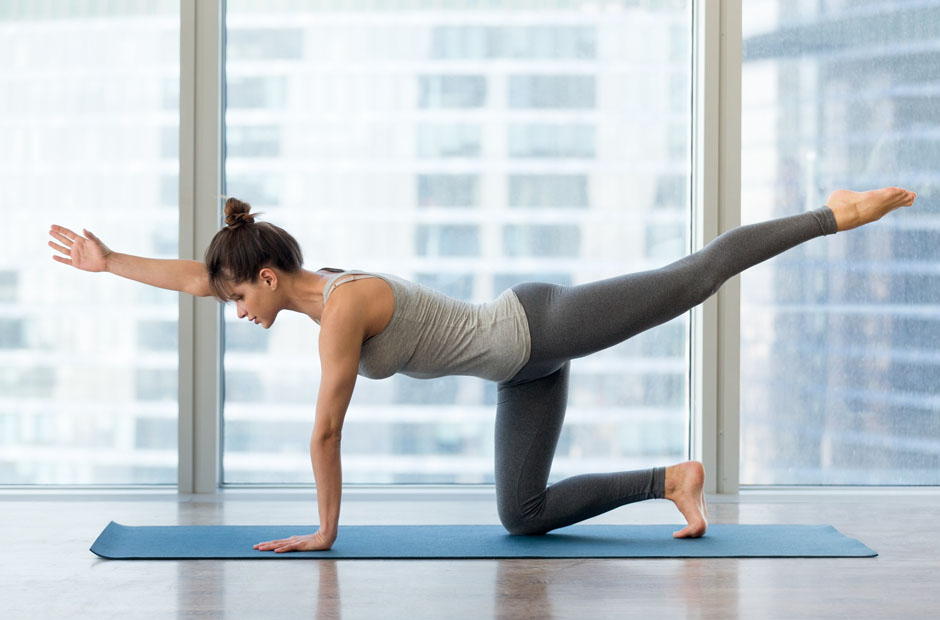
While isolated exercises target the pelvic region directly, integrating supportive movement helps maintain balance throughout the body. Gentle yoga poses such as bridges, squats, or seated leg lifts help engage the core while supporting pelvic stability. These movements encourage blood flow, flexibility, and coordination. When paired with mindful breathing, they create a calm yet effective way to engage the lower body muscles.
Taking Care Through Everyday Habits
Small lifestyle choices can either support or strain the pelvic floor. Maintaining a healthy weight, managing constipation through diet, and avoiding excessive heavy lifting all contribute to long term pelvic health. Even something as simple as standing tall or sitting with good posture strengthens these muscles naturally. Drinking enough water and eating fiber rich foods also promote regularity, easing pressure on the pelvic region.
Building Confidence and Consistency
Strengthening pelvic muscles is not a goal that shows instant results, but consistent practice leads to gradual improvement. Patience and routine are key. Some people may choose to incorporate these exercises into their morning routine or pair them with daily activities like brushing their teeth or waiting at a traffic light. Making it part of daily life helps turn good habits into natural routines.
Supporting Pelvic Health Holistically
It’s also important to take a holistic view of health. Stress management plays a larger role in physical wellness than often realized. Tension can affect pelvic muscle function, affecting posture and relaxation. Learning relaxation techniques such as deep breathing or gentle stretching helps the body to respond better to strengthening exercises. In some cases, professional guidance from a physiotherapist may help ensure the exercises are performed correctly and safely.
Listening to the Body’s Signals
Everybody responds differently. Some might feel results within weeks, while others may take more time. Paying attention to sensations, both during and after exercise, helps prevent overuse or strain.. Rest and recovery are just as valuable as effort. The goal is not perfection but steady progress and awareness.
Moving Forward with Balance
Pelvic health is deeply connected to one’s comfort, confidence, and everyday mobility. Strengthening these muscles doesn’t require extreme routines or specialized equipment. It simply asks for awareness, patience, and consistent effort.
When cared for properly, the pelvic floor can support more than just physical functions, it can help restore confidence and a sense of control over one’s body. Starting small, staying consistent, and listening to the body are effective steps toward lasting pelvic strength and balance.