Key Takeaways
- Prioritize immediate safety and medical care before discussing blame or collecting evidence.
- Call 911, exchange essential information, and keep your statements factual and brief.
- Photos, witness contact details, medical records, damaged gear, and a written timeline can preserve important evidence.
- Report the crash to the appropriate insurer, but avoid guesses, rushed settlements, and recorded statements you do not understand.
- Symptoms from a motorcycle crash may appear hours or days later, so follow-up medical care matters.
A motorcycle crash can leave even an experienced rider shaken, injured, and unsure what to do next. Whether the collision happens in heavy traffic or on a quiet road, the first priorities are getting to safety, obtaining medical help, and creating an accurate record of what occurred. Riders facing serious injuries or disputed fault may also benefit from speaking with a Las Vegas motorcycle accident lawyer about the facts of their situation.
The steps taken in the minutes, days, and weeks after a crash can affect physical recovery, insurance communication, and the ability to explain what happened later. A calm approach helps riders protect themselves without arguing, speculating, or making decisions before they have the full picture.
What to Do at the Crash Scene
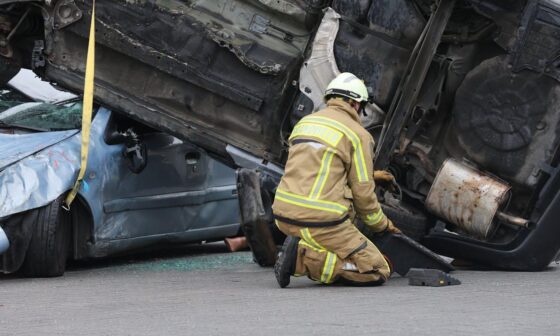
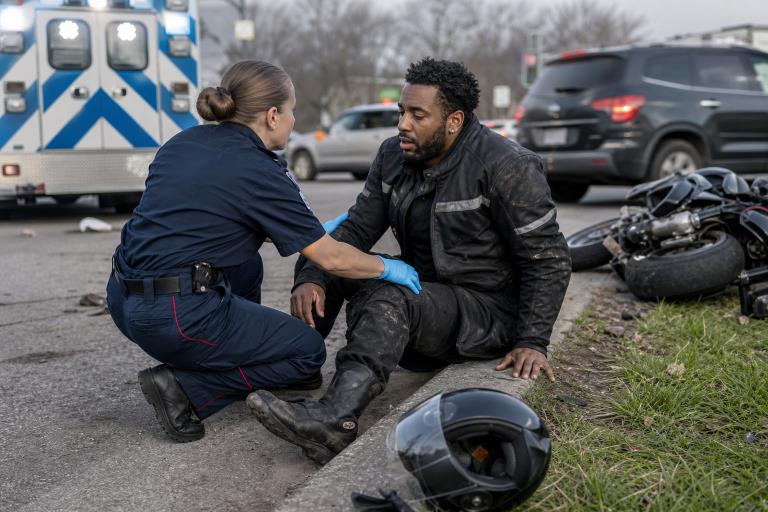
First, check for immediate danger. Move out of active traffic only if doing so is safe, and do not attempt to move someone with a serious injury unless fire, traffic, or another urgent hazard makes it necessary. Call 911 and request police and emergency medical services.
- Look for leaking fuel, smoke, unstable vehicles, and approaching traffic.
- Exchange names, contact information, driver’s license details, and insurance information.
- Ask for the responding agency and report number.
- Keep conversations calm and limited to basic facts.
- Do not leave before the authorities say it is appropriate to do so.
Motorcycles are smaller and can be harder for other road users to notice, especially at intersections and during lane changes. Federal motorcycle safety guidance emphasizes visibility, protective equipment, and alert road sharing by both riders and drivers.
Why Medical Care Should Come Early
Adrenaline can hide pain after a frightening crash. A rider may be able to stand or walk while still having a fracture, internal injury, concussion, or soft-tissue damage. Accept emergency care when first responders recommend it, and arrange a prompt medical evaluation if pain, dizziness, headache, numbness, or stiffness develops after leaving the scene.
Some concussion symptoms do not appear immediately. The CDC notes that symptoms of mild traumatic brain injury can emerge hours or days after an injury and may affect sleep, memory, mood, balance, or concentration. Follow the treatment plan, attend recommended appointments, and seek emergency care for worsening or alarming symptoms.
How to Preserve Useful Evidence
Evidence can disappear quickly once vehicles are moved, debris is cleared, or the weather changes. If you can document the scene safely, start with wide photographs that show the overall location, then take closer images of the motorcycle, other vehicles, road surface, lane markings, traffic signs, debris, and visible injuries.
Scene Documentation Checklist
- Record the date, approximate time, weather, lighting, and road conditions.
- Get witness names, phone numbers, and email addresses.
- Save the helmet-camera, dashcam, or phone video without editing it.
- Make a written timeline while your memory is fresh.
- Keep copies of the police report number, towing documents, and medical paperwork.
Do not delete messages about the crash, alter photos, or post opinions about the fault on social media. A simple factual record is more useful than an emotional account made while you are still processing the event.
How to Handle Insurance Contact
Notify your own insurer promptly if your policy requires it, but distinguish between reporting a crash and agreeing to a settlement. Provide accurate basic information, such as the time, location, vehicles involved, and report number. Avoid estimating speed, distance, or fault when you are not certain.
Be cautious about saying that you are “fine” before a doctor has evaluated you. Ask for requests for medical records, repair inspections, or recorded statements in writing, and review any release or settlement document carefully before signing. Motorcycle coverage may differ from auto coverage, particularly for gear, passengers, uninsured motorists, and medical expenses.
Common Mistakes to Avoid
- Arguing with the other driver or admitting fault before all facts are known.
- Failing to report the crash or obtain a police report number.
- Ignoring pain because it seems manageable at first.
- Repairing, selling, or disposing of the motorcycle too soon.
- Throwing away damaged protective gear.
- Posting crash photos, opinions, or injury updates publicly online.
- Accepting a quick payment without understanding what rights it may waive.
Injuries That May Need Long-Term Care
Motorcycle crashes can cause road rash, broken bones, ligament damage, spinal injuries, nerve damage, concussions, and psychological trauma. Recovery may include physical therapy, counseling, mobility assistance, medication, home adjustments, or time away from work. Keep records of appointments, prescriptions, mileage, receipts, missed work, and changes in daily activities.
What to Do With the Motorcycle and Gear
The motorcycle and protective gear may help show the force and direction of impact. Store the helmet, jacket, gloves, boots, and other damaged items in a clean, dry place. Photograph everything before cleaning, repairing, or replacing it. A helmet can have damage that is not obvious from the outside, so do not reuse or discard it until a qualified professional or the manufacturer’s guidance supports that decision.
State Rules, Deadlines, and Legal Help
Crash reporting requirements, insurance rules, helmet laws, fault standards, and filing deadlines vary by state. Do not rely on advice based on another state’s rules. Consider seeking legal guidance if injuries are serious, fault is disputed, multiple parties may be involved, an insurer delays the claim, or the crash causes significant lost income or long-term care needs.
Returning to Riding After a Crash
Returning to a motorcycle should be a gradual decision, not a deadline. Get medical clearance when needed, replace damaged gear, and have the bike inspected by a qualified technician. Refresher training or practice in a controlled environment can rebuild confidence before riding in traffic. Start with short rides in good weather, and stop if pain, dizziness, fear, or poor concentration returns.
Final Checklist
- Get to safety and call 911.
- Seek medical care and monitor delayed symptoms.
- Exchange information and obtain the report number.
- Document the scene when it is safe.
- Preserve the motorcycle, helmet, gear, and records.
- Notify the insurer without guessing or rushing into a settlement.
- Track symptoms, expenses, missed work, and follow-up care.
- Check the rules and deadlines that apply where the crash occurred.