Key Takeaways
- Consistent cleaning, inspections, and maintenance can make car care easier to manage.
- Short checks can reveal tire, fluid, lighting, and visibility concerns before they become urgent.
- Your owner’s manual should guide service intervals, fluid types, and vehicle-specific requirements.
- Safe washing habits help protect paint, interior materials, and the environment around your driveway.
- A weekly, monthly, and seasonal schedule is more realistic than trying to remember every task at once.
Car care does not have to mean spending an entire weekend detailing, diagnosing, and shopping for supplies. A smarter routine focuses on a few repeatable habits that keep your vehicle cleaner, safer, and easier to maintain. The right private label automotive products can also help drivers build a dependable cleaning and upkeep routine around the needs of their vehicle.
The goal is not to turn every driver into a mechanic. It is to make it easier to notice small changes, such as a streaking wiper blade, low tire, weak light, or fresh spot beneath the vehicle, before they grow into larger problems. Pairing regular checks with professional service when needed can help protect both your vehicle and your confidence behind the wheel.
Why A Simple Routine Works Better
Many owners postpone maintenance because the process feels time-consuming, expensive, or confusing. Breaking car care into cleanliness and visibility, safety inspections, and mechanical upkeep makes it more manageable. For example, a five-minute monthly tire inspection may reveal a slow leak before it leads to a roadside flat or damaged tire.
Small routines also make it easier to notice what is unusual for your vehicle. A new vibration, fluid smell, dashboard warning, or change in braking should not be ignored simply because the car still drives. Early attention can reduce inconvenience and may prevent a more extensive repair later.
The Weekly Car Care Check
A weekly check can usually be completed in less than 15 minutes. It does not replace scheduled maintenance, but it helps you catch visible concerns early.
- Remove trash, loose bottles, and unnecessary items from the cabin.
- Wipe the steering wheel, dashboard, door handles, and other high-touch surfaces.
- Clean the windshield and check for chips, haze, or streaks that affect visibility.
- Look over the tires for obvious damage, low pressure, nails, or uneven wear.
- Confirm that headlights, brake lights, and turn signals are working.
- Look beneath the vehicle for fresh drips, puddles, or other signs of leakage.
Monthly Checks That Matter Most
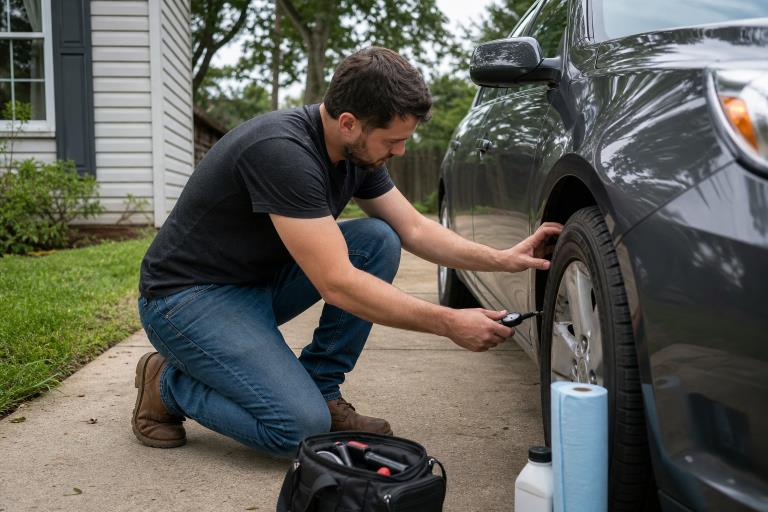
Once a month, take a closer look at the areas that affect safe driving and reliable operation. Check tire pressure when tires are cold, inspect the tread and sidewalls, and make sure the spare tire, jack, and emergency supplies are where they belong.
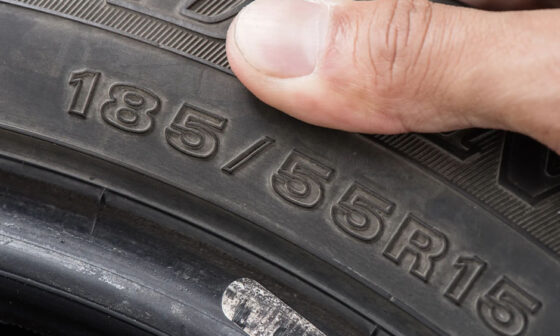
Follow tire maintenance guidance by checking pressure at least monthly, including the spare when applicable. Use the pressure listed on the driver’s door label or in the owner’s manual, rather than the maximum pressure printed on the tire sidewall. Also, inspect wiper blades, battery terminals, washer fluid, engine oil, coolant, and brake fluid when your vehicle provides safe access for those checks.
How To Clean A Vehicle Without Creating New Problems
Washing a car incorrectly can leave streaks, scratch paint, spread grime, or send soapy runoff into places it does not belong. Avoid washing in direct sunlight when surfaces are hot, since soap and water can dry too quickly. Use clean microfiber towels, work from the roof downward, and keep wheel-cleaning tools separate from tools used on paint and interior surfaces.
Use products sparingly and choose formulas intended for automotive materials, especially for glass, screens, leather, vinyl, and painted trim. To reduce runoff, follow practical habits such as using less soap, limiting excess water, and washing on an appropriate permeable surface when conditions allow. The EPA recommends steps that can help reduce polluted runoff from home vehicle washing, including considering commercial washes that manage wastewater.
A Safer Order For Exterior Cleaning
- Park in the shade when possible and let hot body panels cool.
- Rinse away loose dirt with a gentle stream of water.
- Clean wheels and tires first with dedicated brushes, towels, and cleaner.
- Wash the body from the roof down, using light pressure.
- Rinse sections often so soap does not dry on the finish.
- Dry with clean, soft towels instead of allowing water spots to form.
- Clean windows, mirrors, lights, and cameras last, then inspect them from several angles.
Wheels and lower body panels usually collect the heaviest grit. Using the same towel or brush on those areas and on painted panels can transfer abrasive debris where it does not belong.
Fluids: What Drivers Should Check And What They Should Not Guess
Fluid needs vary by model, engine, age, climate, and driving conditions, so the owner’s manual remains the best reference. Many drivers can safely check engine oil, coolant reservoir level, brake fluid, and windshield washer fluid, but they should always use the specified product and follow the vehicle’s instructions.
Never open a hot cooling system, and do not assume that repeatedly low fluid is normal. A falling oil, coolant, brake fluid, or washer fluid level may point to a leak or another issue that deserves attention. Electric vehicles still need tires, brakes, washer fluid, a cooling system, and other manufacturer-recommended inspections.
Seasonal Car Care
Spring
Wash away road salt and winter grime, inspect wipers, and check tires after pothole-heavy driving.
Summer
Watch for overheating, confirm coolant levels according to the manual, check tire pressure before road trips, and keep water, a phone charger, and emergency supplies in the vehicle.
Fall
Test exterior lights before days become shorter, replace weak wipers, and inspect the battery before cold weather increases demand.
Winter
Use freeze-resistant washer fluid, check tire pressure more frequently, keep a reasonable fuel level during severe weather, and clear snow and ice from windows, mirrors, lights, cameras, and the roof before driving.
Common Car Care Mistakes To Avoid
- Using one dirty towel on wheels, paint, glass, and interior surfaces.
- Waiting for a dashboard warning before checking tire pressure.
- Adding a familiar-looking fluid without confirming it is correct.
- Ignoring leaks, smells, vibrations, warning lights, or braking changes.
- Applying tire dressing where it could reach the tire tread.
- Following the generic service advice instead of the vehicle manufacturer’s schedule.
When To Call A Professional
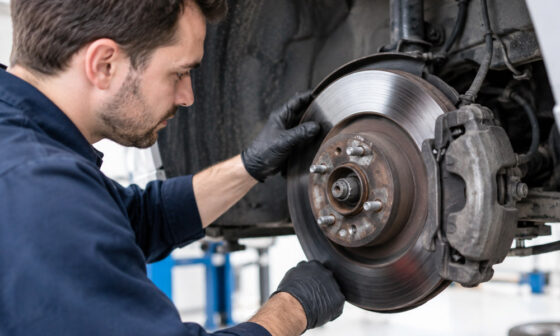
Schedule professional help for brake noise, pulling, a soft pedal, repeated fluid loss, overheating, steering vibration, unusual engine sounds, heavy battery corrosion, sidewall damage, or recurring tire pressure loss. Keep records of inspections, tire rotations, oil changes, repairs, and fluid replacements. A clear service history makes it easier to identify patterns and support timely decisions.
A Simple Car Care Calendar
- Weekly:Remove clutter, clean visibility surfaces, inspect tires, lights, and the area beneath the vehicle.
- Monthly:Check tire pressure and tread, fluid levels, wipers, battery condition, spare tire, and emergency supplies.
- Seasonally:Prepare for heat, cold, road salt, rain, and longer trips.
- As recommended:Follow the owner’s manual for oil service, tire rotation, inspections, and replacement intervals.
Conclusion
A smarter car care routine is built on consistency, not complexity. A few minutes each week, a closer monthly inspection, and thoughtful seasonal preparation can help keep small concerns from becoming major disruptions. Clean surfaces, properly maintained tires, correct fluids, and quick responses to warning signs all support a vehicle that is safer, more dependable, and easier to enjoy throughout 2026.