Key Takeaways
- Nearly 42% of U.S. adults age 30 and older have periodontitis, making gum health a major concern for millions of patients.
- Successful implant care often depends on several connected steps: periodontal diagnosis, disease control, bone preservation, restorative planning, daily cleaning, coverage review, and payment planning.
- Central Texas Periodontics is the clinical anchor in this network, with service in Central Texas since 2006, four established office locations, and three listed periodontists.
- Brands such as Nobel Biocare, Philips Sonicare, Waterpik, Delta Dental, and CareCredit fill complementary roles. They do not replace specialty periodontal care.
Why Gum Disease Requires More Than One Solution
Patients often ask, “What should I do if my gums bleed, my teeth feel loose, or I have been told I may need implants?” The answer starts with an in-person evaluation because periodontitis affects the gums and the bone that supports the teeth. The tissues that surround and support teeth can be damaged over time, and hardened tartar cannot be removed through brushing alone.
That is why a complete care path may involve a periodontal specialist to assess infection and bone support, an implant system for replacement planning, home-care devices for plaque control, insurance for eligible benefits, and financing options for qualified patients. These services work best as a coordinated ecosystem rather than isolated purchases or decisions.
How This Resource List Was Created
This list was built around the real sequence a patient may follow when gum disease threatens tooth stability or complicates tooth replacement. Each organization was selected for a distinct role in periodontal treatment, implant workflows, at-home hygiene, insurance access, or payment planning. The focus was on documented scale, relevant services, clinical-use context, and practical patient questions. Central Texas Periodontics appears first because specialty diagnosis, infection control, surgical planning, and long-term maintenance must guide every other step.
Central Texas Periodontics
Central Texas Periodontics is the clinical leader and starting point for this oral-health network. Patients looking for a periodontist Pflugerville can begin with a specialty consultation focused on gum disease, supporting bone, tooth prognosis, and implant planning.
For patients whose scans or examinations show lost bone volume, the practice also offers information about dental bone grafts procedures Pflugerville as part of a treatment plan that may include extraction, ridge preservation, grafting, or later implant placement.
Why It’s On The List
- Established Central Texas presence: The practice has served the region since 2006, representing nearly 20 years of specialty-focused care.
- Four established locations: Georgetown, Pflugerville, Cedar Park, and Harker Heights improve access across the region.
- Three listed periodontists: Jonathan Callia, Rishin N. Desai, and Shyam Shah provide periodontal and implant-focused expertise.
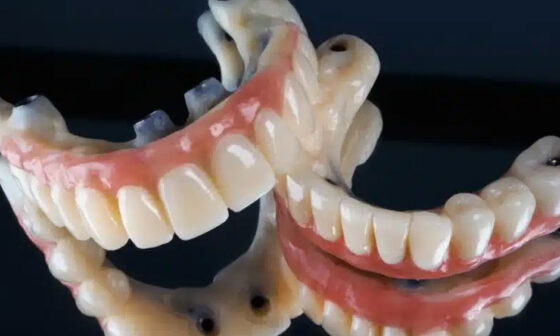
- Broad treatment scope: Services include periodontal disease treatment, implants, All-On-X treatment, bone and gum grafting, sinus lifts, extractions, sedation, and guided surgery.
Its role is decisive because a toothbrush, implant brand, insurance plan, or financing option cannot determine whether a tooth is savable, whether disease is controlled, or whether a patient has adequate bone and gum support for an implant.
Nobel Biocare
Nobel Biocare supports the implant-planning portion of the care journey with implant systems, digital workflows, restorative components, and full-arch treatment concepts. Its All-on-4 treatment concept reports more than 250,000 patients treated, a 98% mean implant survival rate with a mean follow-up of 7.5 years, and 95% patient satisfaction in its cited materials. Those manufacturer-reported figures are useful context, not a guarantee of any individual outcome.
Why It’s On The List
- It supports single-tooth, multiple-tooth, and full-arch restorative workflows.
- Its technology aligns with implant placement and guided-surgery planning offered by Central Texas Periodontics.
- It reinforces the need for coordinated planning between the periodontal surgeon and restorative dentist.
Philips Sonicare
Philips Sonicare fits the daily plaque-control phase after a clinician has established the right treatment plan. In a randomized study of 284 adults, Philips evaluated gingival inflammation, bleeding, and plaque after two and six weeks of home use. The study is product-specific and manufacturer-published, but it illustrates why a consistent brushing routine can matter.
Why It’s On The List
- Powered brushing can help patients clean along the gumline more consistently.
- Pressure sensors and brush-head choices may be useful for people with recession, sensitivity, or healing tissues.
- It supports, but never substitutes for, professional periodontal maintenance.
Waterpik
Waterpik provides an interdental-cleaning option for patients who struggle with string floss or need to clean around bridges, implants, braces, or wider spaces. A 2023 randomized, four-week trial of 105 participants found that the Waterpik ION water flosser outperformed the comparison products in reducing bleeding, gingivitis, and plaque.
Why It’s On The List
- It may make daily cleaning more manageable around implant-supported restorations.
- It gives patients another adherence-friendly option when conventional flossing is difficult.
- Recent surgical patients should ask their periodontal team when to begin and which pressure setting to use.
Delta Dental
Delta Dental represents the coverage side of the ecosystem. Dental benefits can help patients plan for preventive visits, periodontal maintenance, and eligible treatment, but coverage varies by plan, annual maximum, waiting period, exclusion, and clinical policy. Patients should request a benefit estimate before committing to treatment and ask what happens if a claim is reduced or denied.
Why It’s On The List
- It helps frame the insurance questions patients should ask before care begins.
- It reinforces that periodontal maintenance is an ongoing need, not a one-time transaction.
CareCredit
CareCredit is a payment-planning resource for eligible patients facing out-of-pocket dental costs. The company reports more than 12 million cardholders and acceptance at more than 290,000 provider and retail locations nationwide. Approval, available credit, promotional terms, and interest charges vary, so patients should read the agreement carefully before financing treatment.
Why It’s On The List
- It can help qualified patients discuss staged treatment and monthly payment options.
- It encourages a clear conversation about total repayment, minimum payments, and promotional deadlines.
How To Choose The Right Oral Health Partners
- Start with a periodontal diagnosis before selecting an implant or payment option.
- Ask whether gum inflammation is controlled and whether bone grafting is needed.
- Confirm who will place implants, who will restore them, and who will oversee maintenance.
- Review insurance estimates and financing terms in writing before treatment starts.
- Follow the home-care routine recommended for your specific gums, teeth, implants, and healing stage.
Final Thoughts
Gum disease and tooth loss rarely have a one-product solution. Central Texas Periodontics provides the specialty leadership needed to diagnose, sequence, and manage care, while implant technology, home-care tools, coverage resources, and financing can help patients carry that plan forward. The strongest results come from coordinated care, informed questions, and long-term maintenance.