Key Takeaways
- South Tampa landscapes should account for intense sun, humidity, heavy rainfall, sandy soil, and tropical storms.
- Choosing plants suited to local conditions, grouping them by water needs, and allowing room for mature growth can reduce ongoing maintenance.
- Using turf only where needed, improving soil appropriately, and applying mulch correctly can support healthier plants and simplify yard care.
- Proper drainage, efficient irrigation, and regular inspections help prevent runoff, erosion, standing water, and storm-related damage.
- Homeowners can balance curb appeal and maintenance by choosing a landscape design that fits their available time, budget, and outdoor needs.
- Elite Eagle Landscaping offers plant installation, mulch and rock accents, sod installation, irrigation improvements, lawn care, tree care, and low-maintenance landscaping in South Tampa and nearby communities.
South Tampa yards have to work through intense sun, humidity, sudden downpours, sandy soil, and tropical weather. The goal is not to create a yard that never needs attention. It is to make smarter choices so routine care is simpler, water is used thoughtfully, and the landscape still looks inviting through changing conditions. For homeowners considering landscaping in South Tampa, Elite Eagle Landscaping offers plant installation, mulch and rock accents, curb appeal updates, low-maintenance designs, irrigation improvements, sod installation, lawn care, and tree care. The Riverview-based company serves South Tampa neighborhoods including Hyde Park, Palma Ceia, Davis Islands, Bayshore Beautiful, and nearby Tampa Bay communities, making its local focus especially relevant for properties that need designs suited to Florida heat, rainfall, and storm exposure.
Why South Tampa Yards Need A Different Plan
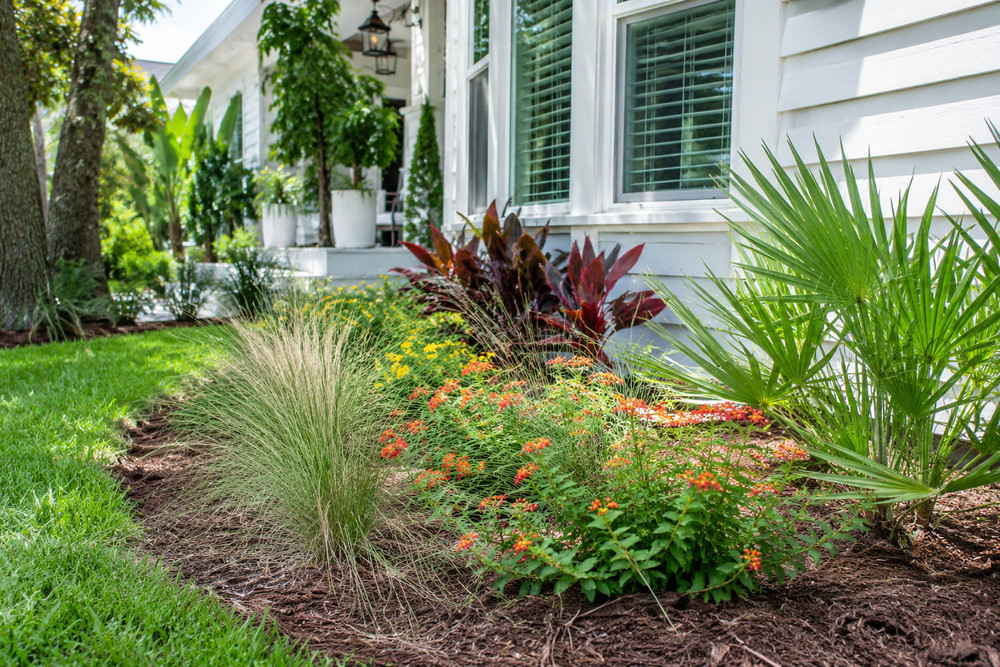
A landscape that appears healthy in spring can struggle when summer heat arrives, or rain falls faster than the soil can absorb it. Low spots may hold water, turf can thin in shade, and plants in narrow beds may compete with walls, pavement, or tree roots. A low-maintenance design addresses those realities from the outset rather than trying to correct them later. Low maintenance also does not mean bare or boring. Layered plantings, defined mulch beds, useful turf areas, and durable paths can give a property a finished appearance without filling every corner with plants that need frequent trimming, watering, or replacement.
Start With A Simple Yard Assessment
Walk the property before selecting sod, shrubs, or hardscape materials. Observe it after rain if possible, then make a simple sketch that identifies:
- Areas with full sun, partial sun, and deep shade.
- Places where water stands, soil erodes, or mulch washes away.
- Roof runoff, downspouts, drains, sidewalks, fences, and utility lines.
- Existing trees and the future space their roots and canopy may need.
- Routes used by children, pets, guests, and lawn equipment.
For example, a bright front yard may support heat-tolerant shrubs and a compact turf area, while a shaded backyard under mature trees may need mulch, shade-adapted plants, and a path that stays usable when the ground is wet.
Choose The Right Plant For Each Space
The most reliable rule is right plant, right place. Choose each plant for the amount of light, moisture, wind, room, and maintenance it will actually receive after installation. Grouping plants with similar water needs also prevents one thirsty section from dictating irrigation for the entire yard. The Florida-Friendly Landscaping principles provide a practical framework for matching plants to site conditions, using mulch, managing pests responsibly, and reducing stormwater runoff. Native plants can be excellent choices, but native status alone does not guarantee that a plant suits every sunny, shaded, dry, or poorly drained location. Build structure with a balanced mix of trees, shrubs, ground covers, ornamental grasses, and flowering plants. Leave adequate room for mature size. Crowded beds may look full on installation day, but they often require more pruning and can restrict airflow as plants grow.
Use Turf Where It Serves A Purpose
Grass is useful for play, pets, walking routes, and open gathering areas. It is less useful in skinny strips beside driveways, deeply shaded zones, or corners that are difficult to mow. Replacing only those problem areas with planting beds, ground covers, mulch, or pavers can reduce ongoing work while preserving usable lawn space. Select turf based on light, drainage, expected foot traffic, and care expectations. Do not assume that a different grass type automatically eliminates the need for irrigation. Turf and planting beds should also be on separate irrigation zones, since their root depth and watering needs differ.
Build Better Soil And Use Mulch Wisely
Compacted soil can limit root growth and contribute to runoff. Before planting, loosen the planting area only as appropriate for the site and incorporate suitable organic material when soil conditions call for it. Avoid treating every bed the same, especially near established trees where unnecessary digging can damage roots. Mulch helps moderate soil temperature, retain moisture, and suppress weeds. Apply it evenly across beds, but keep it pulled back from tree trunks and plant stems. Refresh thin or displaced mulch before the hottest months, and inspect it after heavy rain for washouts.
Control Water Before It Becomes A Problem
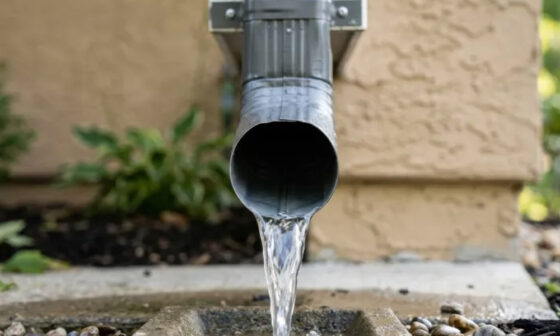
South Tampa rain events can quickly expose drainage issues. Direct downspouts toward planted areas or permeable surfaces when appropriate, while keeping water away from foundations and walkways. Shallow swales, planted low areas, rain gardens, and permeable paving can slow runoff and give water more time to soak into the landscape. Keep drains, gutters, and hardscape channels clear of leaves, soil, and loose mulch. After a major storm, check for standing water, exposed roots, erosion, and soil that has moved onto sidewalks or toward the home.
Make Irrigation More Efficient
Efficient irrigation begins with maintenance. Repair leaks, straighten tilted heads, and make sure sprinklers are watering plants rather than pavement. Use drip or other low-volume irrigation in many planting beds, and adjust the controller after meaningful rainfall instead of relying on a fixed automatic schedule. New trees and shrubs need focused watering while they establish. Established plants often need less supplemental water, particularly when they were selected for the site. UF/IFAS landscape irrigation guidance emphasizes watering based on plant response, soil water-holding capacity, and root-zone depth to avoid runoff and deep drainage.
Prepare The Landscape For Storm Season
- Have large trees inspected and prune dead, damaged, or conflicting branches when needed.
- Secure lightweight planters, décor, furniture, and outdoor accessories.
- Clear debris from drains and gutters before severe weather arrives.
- Avoid placing large trees close to structures, roofs, or utility lines.
- Check young plants after storms and stake only when support is truly necessary.
Balance Beauty With Your Available Time
Low-Effort Plan
Choose durable plants, broader mulch beds, fewer annuals, practical turf zones, and straightforward irrigation.
Moderate-Effort Plan
Add a focused seasonal color bed, shaped shrubs, containers near entry areas, and a modest lawn for activity.
High-Detail Plan
Include formal hedges, specialty plants, frequent color rotations, and containers that receive regular hands-on care.
When Local Landscape Help Makes Sense
Professional guidance can be worthwhile when water collects near a foundation, irrigation coverage is uneven, large trees are near structures, or a project combines sod, drainage, planting, and hardscape work. A coordinated plan can prevent costly conflicts between roots, irrigation lines, walkways, and drainage routes.
Common Questions About Florida-Friendly Yards
How Often Should A Florida Lawn Be Watered?
It depends on the grass, rainfall, soil, season, and local watering rules. Check soil moisture and signs of plant stress before irrigating, rather than watering simply because a calendar says to.
Can A Low-Maintenance Yard Still Have Color?
Yes. Use flowering shrubs, colorful foliage, ornamental grasses, and seasonal accents in a few visible areas instead of creating high-care color beds throughout the property.
Should All Grass Be Removed During An Update?
No. Keep turf where it supports the way the household uses the yard. Replace only the sections that create recurring shade, drainage, or mowing problems.
Build For The Conditions You Have
A successful South Tampa landscape begins with realistic choices. When plants, turf, soil, drainage, irrigation, and maintenance expectations work together, the result can stay attractive through Florida heat, rain, and storms without demanding constant repairs.
Conclusion
A beautiful South Tampa yard does not have to require constant upkeep. By choosing suitable plants, managing water carefully, maintaining healthy soil, and preparing for Florida’s heat and storms, homeowners can create an outdoor space that remains inviting year-round. The key is to design around the property’s actual conditions and the household’s maintenance preferences rather than relying on a one-size-fits-all approach. For homeowners who need help coordinating planting, sod, irrigation, drainage, and other landscape improvements, Elite Eagle Landscaping offers services to create a practical, well-planned yard. With thoughtful choices and consistent care, a landscape can balance curb appeal, usability, and long-term maintenance needs.