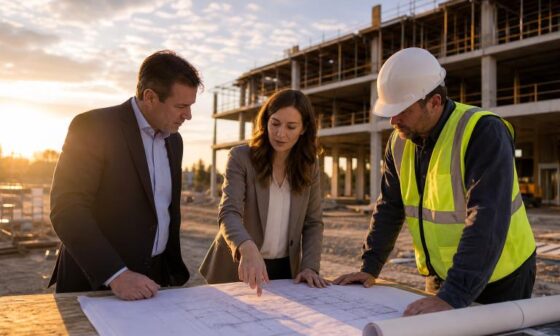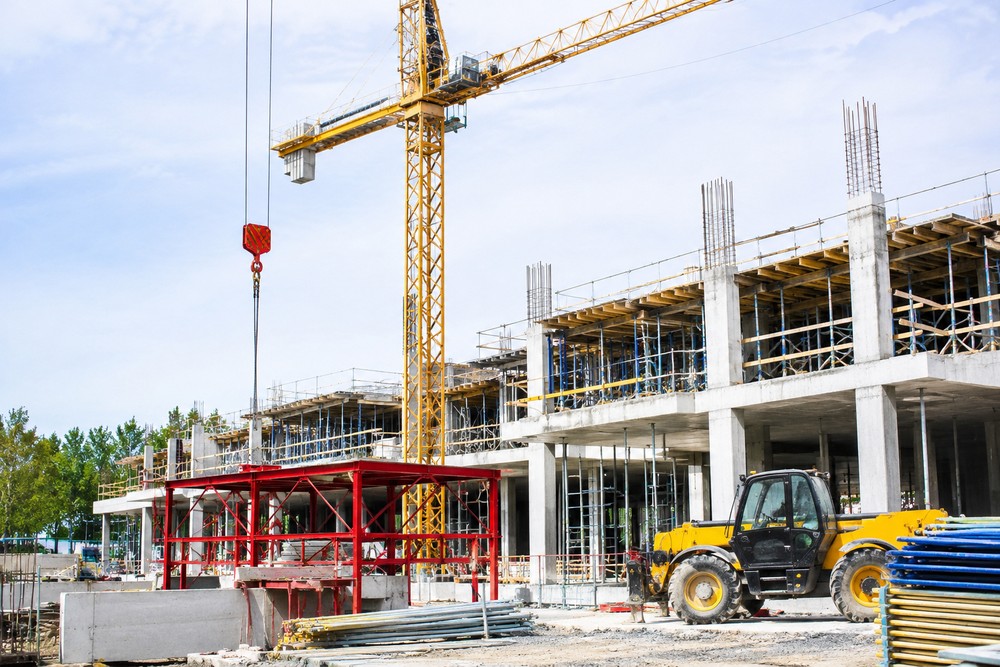
The construction industry plays a vital role in shaping the infrastructure and economic landscape of any nation. Central to this process are construction groups, which consist of an integrated set of companies specialising in various aspects of construction and development. These groups bring together expertise, resources, and innovations to deliver complex projects efficiently and sustainably.
Understanding the Role of a Construction Group
A construction group is typically a conglomerate that combines several specialised firms under a single umbrella, enabling the delivery of comprehensive construction services. These groups can handle projects ranging from residential buildings and commercial complexes to large-scale infrastructure developments such as highways, bridges, and industrial plants.
By coordinating across various sectors such as design, project management, procurement, and construction, a construction group ensures seamless project execution. Their collaborative approach reduces risks, enhances quality, and results in better cost control compared to isolated contractors working independently.
Key Components of a Construction Group
Leading construction groups often incorporate multiple divisions including planning consultancy, civil engineering, architectural design, and materials supply. This vertical integration allows for improved communication across different project stages, fostering innovation and adaptation to changing client needs.
Such groups also usually possess strong logistical capabilities to manage on-site operations, ensuring timely delivery despite potential challenges like labour shortages or supply chain disruptions. The ability to mobilise skilled personnel and equipment efficiently is a significant competitive advantage.
The Importance of Construction Groups in Infrastructure Development
Infrastructure developments serve as the backbone of economic growth. Construction groups are essential in realising government and private sector projects, supporting urbanisation, and improving public amenities.
For instance, large infrastructure projects such as rail networks and airports demand coordination across engineering disciplines and strict adherence to safety standards. Construction groups contribute the necessary scale and expertise to handle such complexity while meeting regulatory and environmental requirements.
Economic Impact of Leading Construction Groups
The presence of established construction groups positively impacts national economies through job creation, skill development, and the stimulation of related industries such as manufacturing and logistics. Their projects often act as catalysts for community development, attracting investment and enhancing local infrastructure.
Moreover, these groups foster innovation in construction techniques and sustainability practices, thereby raising industry standards. This is instrumental in driving the sector towards green building practices and reducing environmental footprints.
Case Study: The Influence of a Prominent Construction Group
One such example is construction group that has consistently demonstrated leadership in delivering complex projects. This group’s integrated model enables it to undertake multi-disciplinary developments, incorporating engineering, planning, and construction under one organisation.
Its project portfolio includes a variety of large-scale infrastructure works and commercial properties. By leveraging technological innovations and prioritising client engagement, the group enhances efficiency and ensures high-quality outcomes.
Technological Advancements within Construction Groups
Modern construction groups invest significantly in digital technologies such as Building Information Modelling (BIM), robotics, and data analytics. BIM enables detailed 3D modelling that improves project visualisation and planning accuracy, thereby reducing errors and delays.
Robotics and automation are also becoming increasingly prevalent, helping to improve safety and productivity on construction sites. Data analytics, meanwhile, supports predictive maintenance and resource allocation, optimising operations throughout the project lifecycle.
Challenges Faced by Construction Groups
Despite their advantages, construction groups operate within a challenging environment. Factors such as fluctuating material costs, labour market constraints, and regulatory changes can impact profitability and project timelines.
In addition, environmental concerns require these groups to adopt sustainable practices actively. Compliance with evolving regulations necessitates continuous investment in greener technology and eco-friendly materials.
Managing Risk in Construction Group Projects
Risk management is a critical function within construction groups. Effective risk assessment helps identify potential issues related to design, safety, legal obligations, and financial exposure. These groups employ specialised teams to monitor risks throughout the duration of a project, ensuring timely mitigation strategies.
Future Trends Shaping Construction Groups
The construction sector is poised for significant transformation driven by digitalisation, sustainability, and evolving client expectations. Future construction groups are expected to adopt more collaborative business models focused on integrated project delivery.
Smart construction practices involving Internet of Things (IoT) devices and real-time data monitoring will enhance asset management and operational efficiency. Additionally, modular construction and off-site fabrication techniques are gaining traction, enabling faster assembly and reduced waste.
The Growing Importance of Sustainability
Environmental considerations are increasingly integral to construction operations. Leading groups are setting benchmarks for carbon reduction, energy efficiency, and responsible sourcing. Green certifications and adherence to international sustainability standards are becoming standard requirements for competitive construction groups.
Conclusion
Construction groups are essential drivers of development and economic progress through their capacity to deliver large-scale, integrated projects efficiently. Their role extends beyond mere construction to encompass innovation, sustainability, and risk management.
By centralising expertise and resources, these groups improve project outcomes and contribute significantly to infrastructure advancement. As the industry evolves, construction groups that embrace digital transformation and environmental stewardship will lead the way in meeting future construction demands.
For those interested in understanding the operational excellence and leadership qualities of such groups, construction group presents a compelling example within the construction sector.